Structured Cabling Los Angeles

For structured cabling Los Angeles CCTV projects, cable paths, terminations, PoE switching, and equipment placement determine how reliable the system will be.

Structured cabling installation gives CCTV cameras, access control, Wi-Fi access points, recorders, monitors, and network equipment the physical infrastructure they need to work reliably.

This page should position cabling as a major part of professional low-voltage camera installation, not as a generic wiring service.

Request a Structured Cabling Quote

Overview video for structured cabling, low-voltage wiring, camera network planning, recorder connectivity, and clean CCTV infrastructure.

What this system does

Structured cabling supports camera video, network connectivity, PoE power, access control devices, Wi-Fi access points, recorders, racks, and monitor locations.

A camera system may need cable pathways, terminations, switches, rack planning, labeling, testing, and future expansion room for more cameras or access points.

Where it fits in a complete CCTV installation

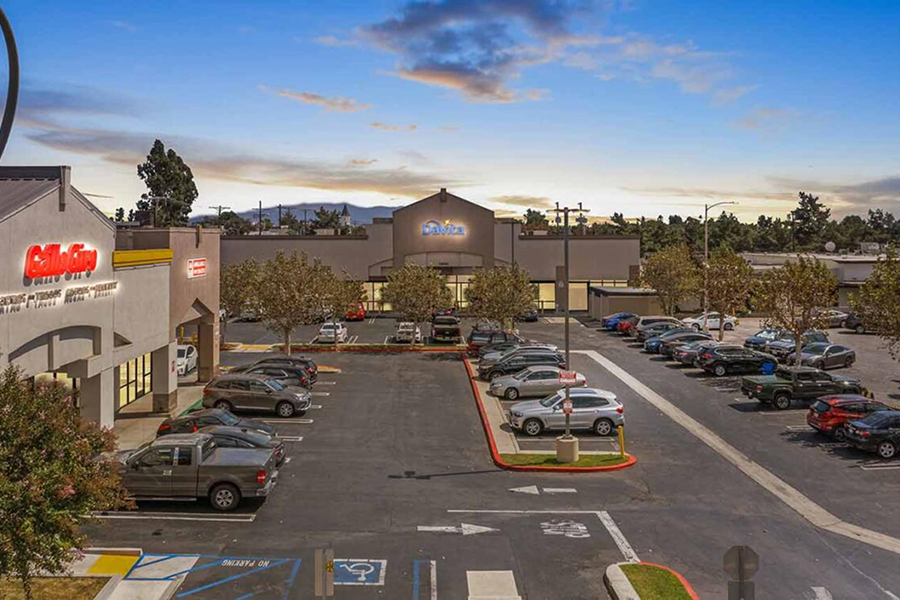
Structured cabling matters for offices, warehouses, apartment buildings, retail properties, industrial sites, parking areas, estates, and larger CCTV systems.

It connects with IP cameras, 4K cameras, NVR systems, Wi-Fi access points, and access control.

Sample CCTV cabling and camera footage

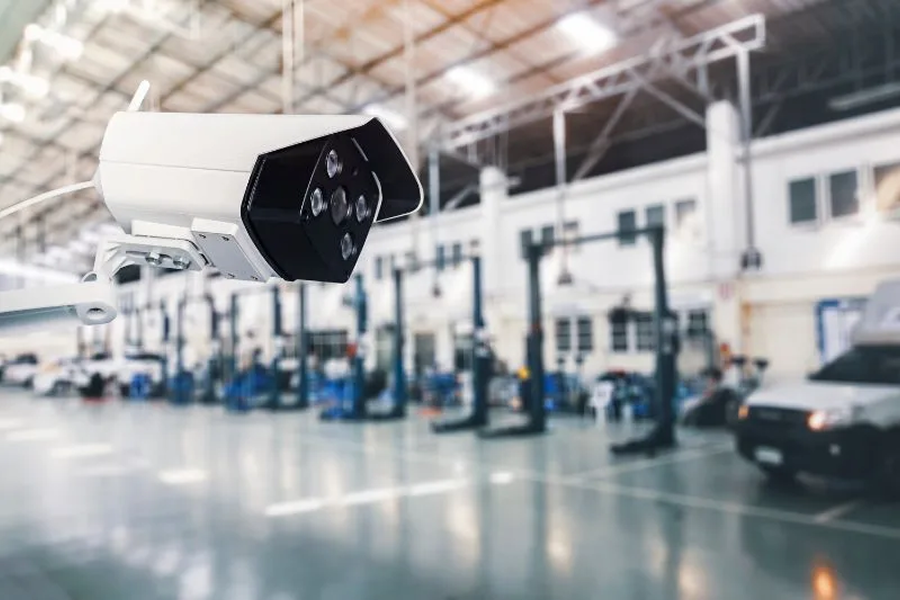
Clear footage depends on more than the camera. Cable quality, routing, terminations, switch placement, and recorder connection all affect whether the system performs reliably after installation.

Sample camera footage showing why cabling, PoE switching, terminations, and recorder connections affect the reliability of a CCTV system.

How to plan this system for a real property

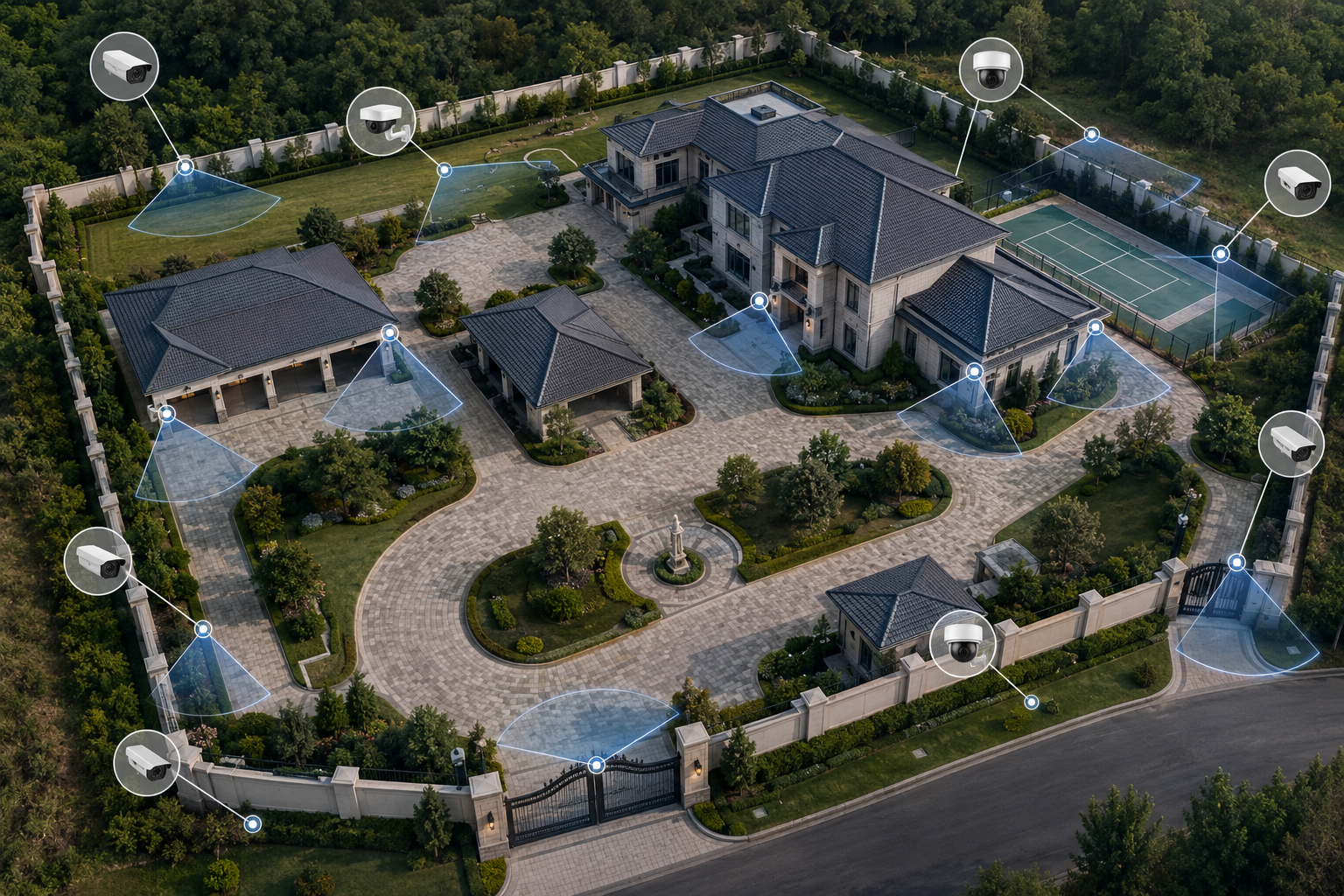
Each installation should be planned around the property, the equipment, the viewing goals, and the way the owner needs to use the system after installation.

1. Equipment requirements

Plan cable type, pathways, switch locations, PoE requirements, rack location, labels, terminations, conduit needs, and service access.

2. Property conditions

Review camera locations, ceiling access, exterior runs, equipment rooms, long distances, network handoffs, and future expansion needs.

3. Integration needs

Connect cabling with cameras, recorders, access control, Wi-Fi access points, monitor displays, racks, and power planning.

Commercial Properties

Our team has extensive experience configuring and installing security camera systems for many types of commercial properties. Each property type has different coverage needs, entry points, operating hours, and security priorities. Choose the type of commercial property below to learn more about where this system can fit.

Low-Voltage Infrastructure for Security Systems

This page works best when it shows the infrastructure that powers the cameras, recorders, access devices, and network gear together.

structured cabling for CCTV systems

Structured Cabling for CCTV Systems

The backbone of most modern security camera installations.

  • Camera cabling
  • Clean routing
  • Reliable network paths
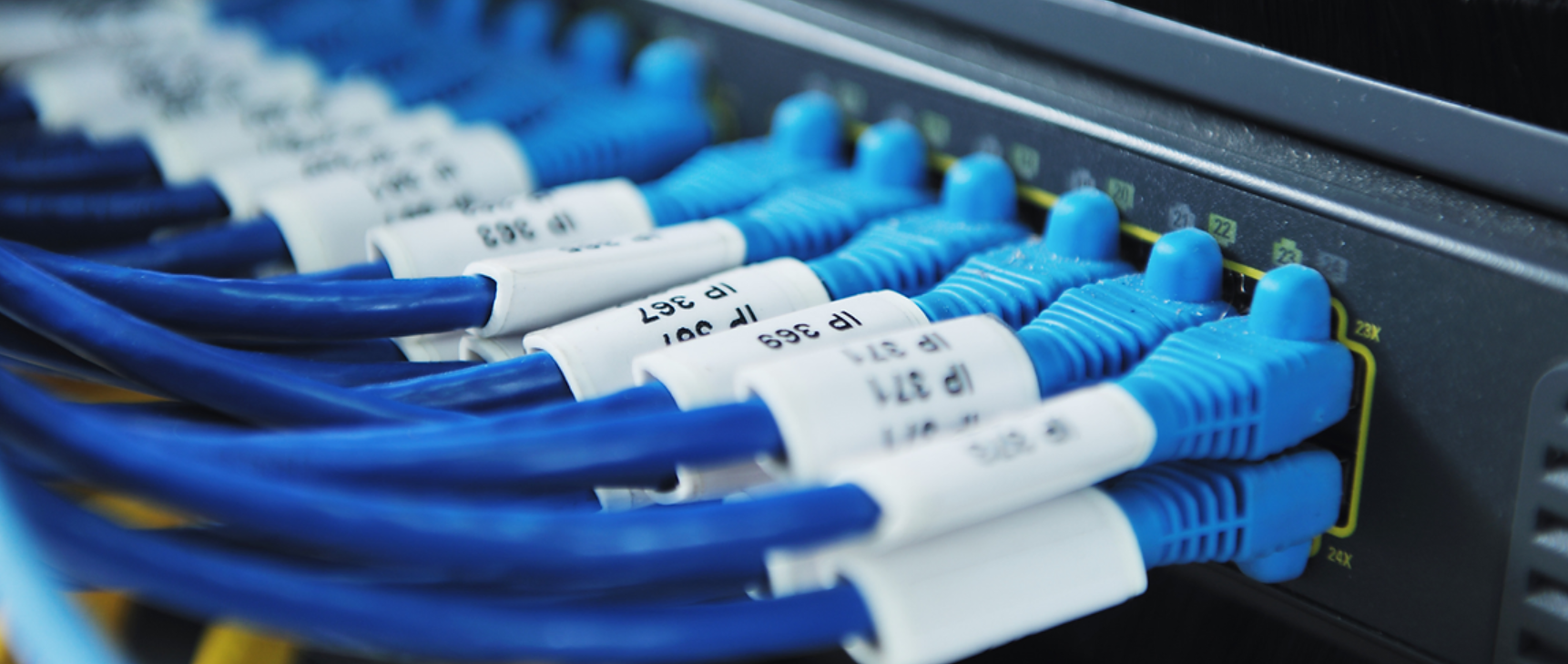
PoE switches and network equipment

PoE Switches and Network Equipment

Needed when cameras and network devices share a structured plan.

  • Managed power
  • Port planning
  • Network handoff
equipment racks and cable management

Equipment Racks and Cable Management

Makes the equipment room easier to maintain and service.

  • Rack layout
  • Patch organization
  • Cleaner support
16-channel NDAA-compliant smart NVR

16CH NDAA-Compliant Smart NVR

Recorder infrastructure that depends on the cabling plan.

  • Centralized recording
  • Remote viewing
  • Storage planning
6-port gigabit PoE switch

6-Port Gigabit PoE Switch, AI Functions

Compact option for smaller cabling builds.

  • Small-footprint power
  • VLAN / QoS
  • Easy deployment
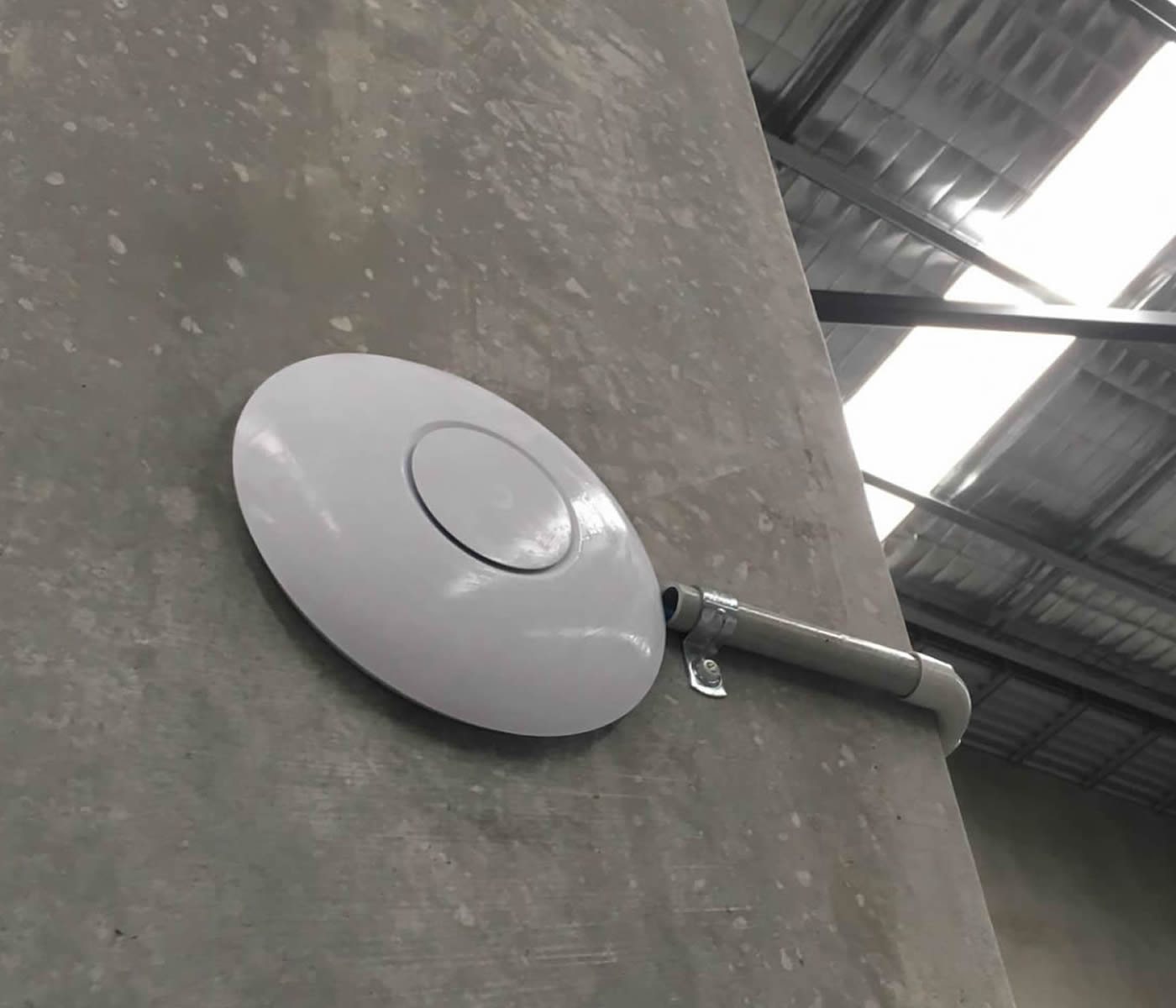
access point installation

Access Point Installation

Useful when camera coverage needs wireless support in remote zones.

  • Wireless coverage
  • Remote areas
  • Network support

Structured Cabling Los Angeles

This page works best when it shows the infrastructure that powers the cameras, recorders, access devices, and network gear together.

structured cabling for CCTV systems

Structured Cabling for CCTV Systems

The backbone of most modern security camera installations.

  • Camera cabling
  • Clean routing
  • Reliable network paths
PoE switches and network equipment

PoE Switches and Network Equipment

Needed when cameras and network devices share a structured plan.

  • Managed power
  • Port planning
  • Network handoff
equipment racks and cable management

Equipment Racks and Cable Management

Makes the equipment room easier to maintain and service.

  • Rack layout
  • Patch organization
  • Cleaner support
16-channel NDAA-compliant smart NVR

16CH NDAA-Compliant Smart NVR

Recorder infrastructure that depends on the cabling plan.

  • Centralized recording
  • Remote viewing
  • Storage planning
6-port gigabit PoE switch

6-Port Gigabit PoE Switch, AI Functions

Compact option for smaller cabling builds.

  • Small-footprint power
  • VLAN / QoS
  • Easy deployment
access point installation

Access Point Installation

Useful when camera coverage needs wireless support in remote zones.

  • Wireless coverage
  • Remote areas
  • Network support

System design checklist

Cable pathway planning

Structured cabling starts with the physical path from cameras, access points, doors, and equipment locations back to the recorder or network area. We look at walls, ceilings, exterior runs, conduit, cable protection, and service access before installation begins.

Performance and reliability

Camera systems depend on clean terminations, correct cable type, PoE planning, switch capacity, and tested connections. Good cabling helps reduce service issues, weak camera performance, and messy equipment-room problems later.

Future expansion

A property may add cameras, access control doors, Wi-Fi access points, monitors, or network equipment later. Structured cabling should leave the system organized enough to expand without tearing apart the whole installation.

Request a system walkthrough and installation quote.

Frequently asked questions

Why does structured cabling matter for security cameras?

Cabling is the foundation of the camera system. If the cable paths, terminations, switches, or equipment area are poorly planned, even good cameras can have reliability problems or become difficult to service. For structured cabling industry background, see BICSI.

Do IP cameras need low-voltage cabling?

Most professional IP camera systems use low-voltage network cabling for video, power over Ethernet, and connection back to the recorder or switch. Wireless options exist, but wired infrastructure is usually preferred for reliability.

Can structured cabling support access control and Wi-Fi too?

Yes. A well-planned low-voltage installation can support access control, Wi-Fi access points, cameras, recorders, monitors, and network equipment.

Should cabling be planned before cameras are installed?

Yes. Camera placement and cabling should be planned together so the installer knows where cable can realistically run, where equipment will be located, and how future service or expansion will work.