Dome Cameras in Los Angeles

Dome cameras are a good fit when the property needs clean-looking coverage at entries, lobbies, counters, hallways, and exterior walls where a lower-profile camera housing makes sense. This page shows how dome cameras are used in real installations and how they are paired with the right recorder, cabling, and support hardware.
Request a Dome Camera Quote

Promo video covering how clean camera placement, recorder planning, and the rest of the installation are coordinated on a real job.

What this system does

Dome cameras are often chosen for areas where clean appearance, stable coverage, and dependable day and night detail matter more than a long visible housing.

They work well in office entries, reception areas, retail interiors, shared walkways, apartment common areas, and many exterior-facing zones where the camera should stay compact and unobtrusive.

Where it fits in a complete CCTV installation

Dome cameras usually work as one part of a larger system. A property may use dome cameras at entrances and public-facing areas while pairing them with turret cameras, recorders, structured cabling, and access control where needed.

Useful internal links for this page include 4K IP cameras, IP cameras, NVR and DVR systems, structured cabling, and access control installation.

Sample dome camera coverage

See the kind of steady public-facing footage dome cameras are often used for at entries, lobbies, counters, and shared spaces where the view needs to stay clean and predictable.

This clip is a simple example of the kind of steady, public-facing coverage dome cameras are often used for at entries, counters, and common areas.

How to plan dome camera coverage

Dome cameras work best when the lens, mounting height, lighting, and surrounding traffic flow are planned around the actual zone instead of treated like a one-size-fits-all camera.

1. Public-facing areas

Use dome cameras where the property needs a cleaner-looking housing at entries, lobbies, reception areas, hallways, and counters.

2. Lighting and lens choice

Plan around door glare, interior lighting changes, and the distance to the subject so the camera captures usable detail instead of a washed-out scene.

3. Recorder and support gear

Pair dome cameras with the right NVR, PoE switch, and low-voltage plan so the system stays stable and easy to expand later.

Commercial Properties

Dome cameras are common on commercial jobs where the owner wants dependable coverage at entries, counters, lobbies, and shared spaces without a bulky camera housing.

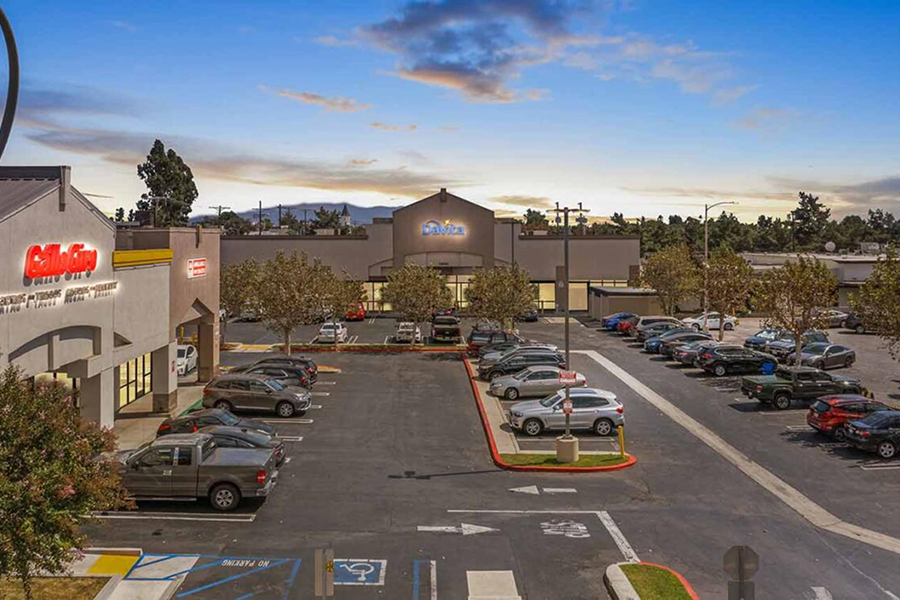
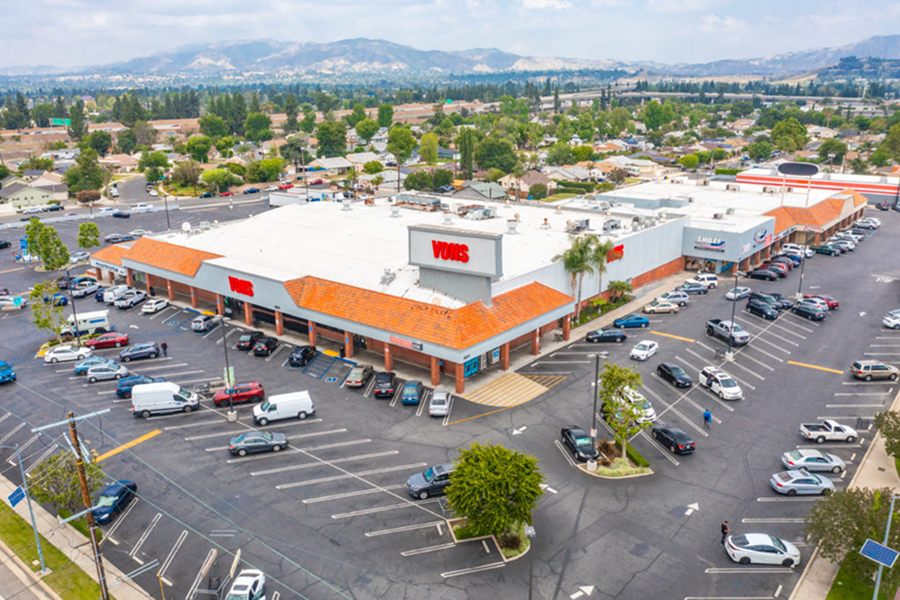
shopping center dome camera installation

Shopping Centers

Shopping centers often use dome cameras at storefront entries, interior walkways, service counters, and shared public-facing areas.

office building dome camera installation

Office Buildings

Office buildings are a good fit for dome cameras at lobbies, reception desks, elevator corridors, and other areas where the camera should stay compact.

parking lot dome camera coverage planning

Parking Lots

Parking-lot projects sometimes use dome cameras near building entries and covered approaches where the housing stays protected and the field of view is controlled.

Industrial Properties

Industrial sites use dome cameras more selectively, usually where the property needs cleaner interior coverage around entries, offices, hallways, or staff-access zones inside a larger system.

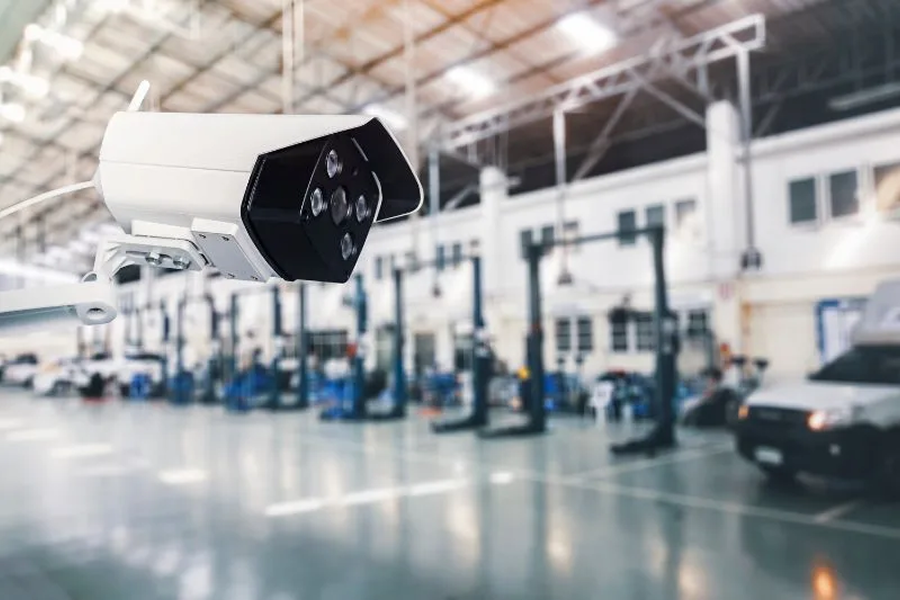
warehouse dome camera installation for entries and shared interiors

Warehouses

Warehouses often use dome cameras around office entries, shipping counters, and interior checkpoints where a compact housing works well.

distribution center dome camera coverage for staff access areas

Distribution Centers

Distribution centers can use dome cameras for vestibules, office wings, and interior circulation areas that need steady, public-facing coverage.

manufacturing facility dome camera planning for interior checkpoints

Manufacturing Plants

Manufacturing properties often use dome cameras near staff entrances, production-office thresholds, and controlled access areas inside the broader camera plan.

Residential Properties

Residential installs often use dome cameras at covered entries, porch approaches, garages, and shared walkways where the owner wants a clean look with dependable day and night coverage.

single family home dome camera installation

Single-Family Homes

Single-family homes often use dome cameras at front doors, porch ceilings, garages, and side entries where the camera should stay compact and low profile.

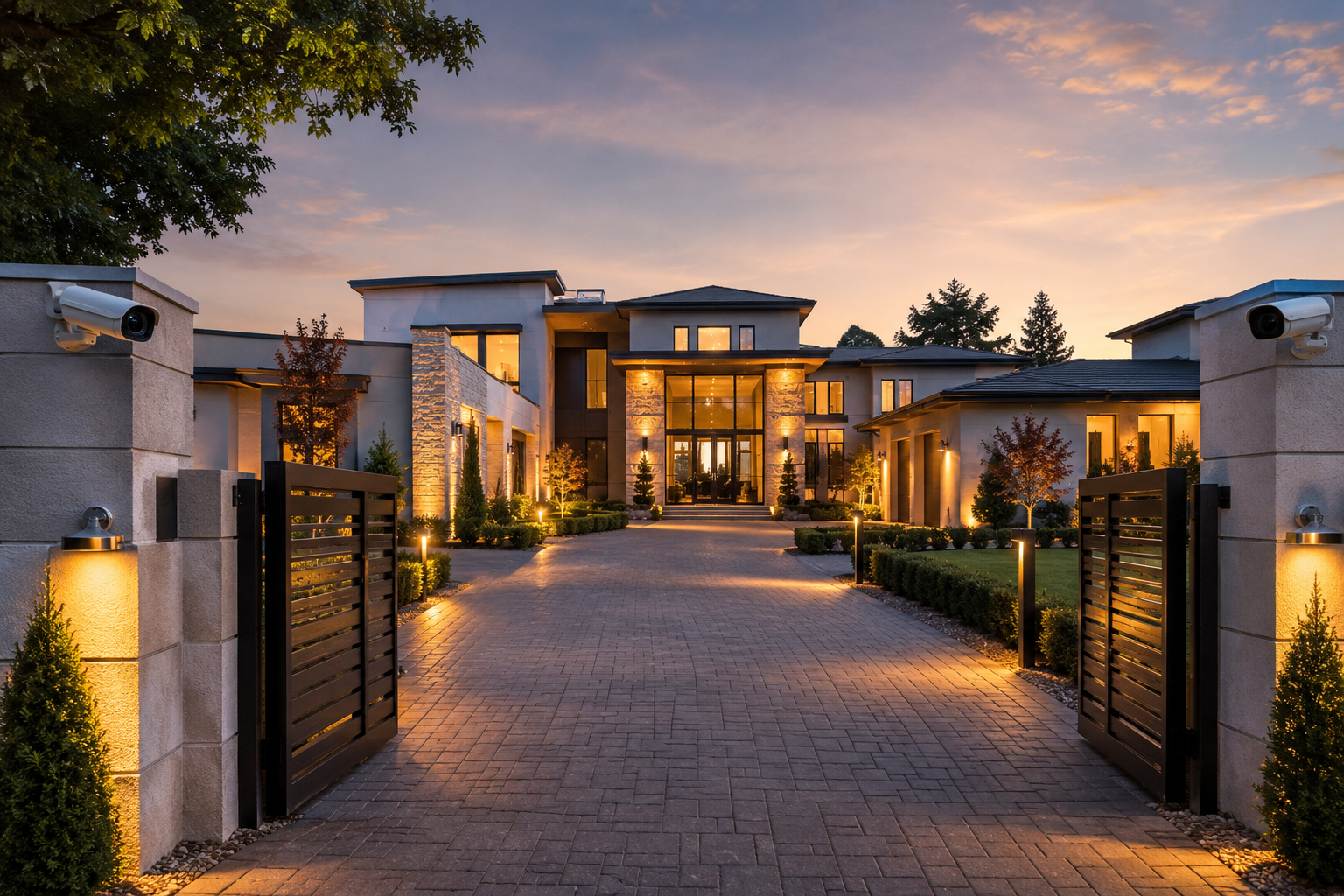
luxury property dome camera installation with discreet coverage

Luxury Properties

Luxury properties often use dome cameras where the layout calls for discreet coverage around covered walkways, guest entries, and shared approach areas.

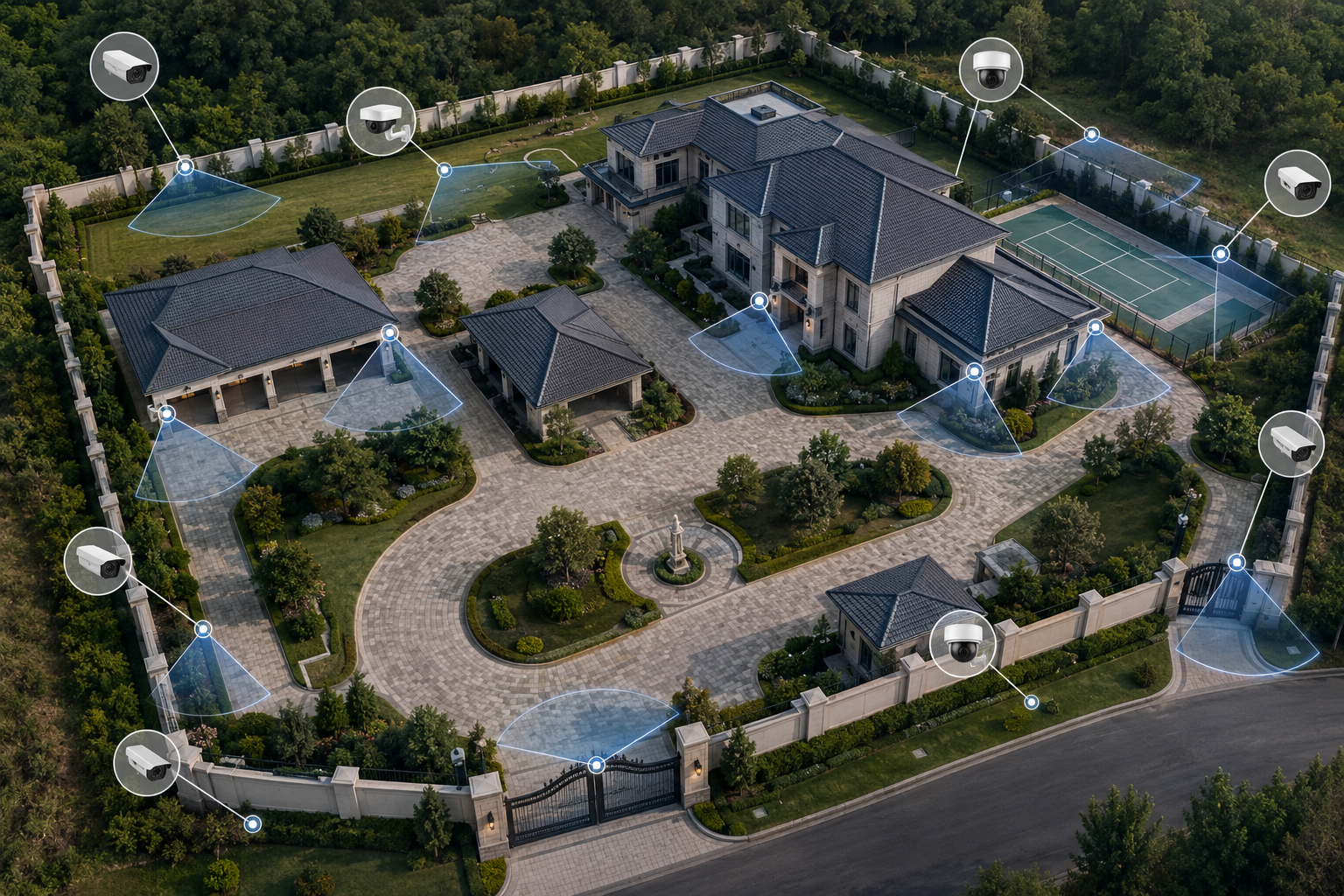
compound dome camera installation for covered entries and walkways

Compounds

Compounds can use dome cameras at entry canopies, breezeways, garage approaches, and shared walkways while turret or PTZ cameras handle longer perimeter views.

Recommended Dome Camera Equipment

Use these dome-camera families to show the differences between a straightforward fixed-lens dome, a smarter analytics-focused dome, and a deterrence-ready camera when the property needs more than passive coverage.

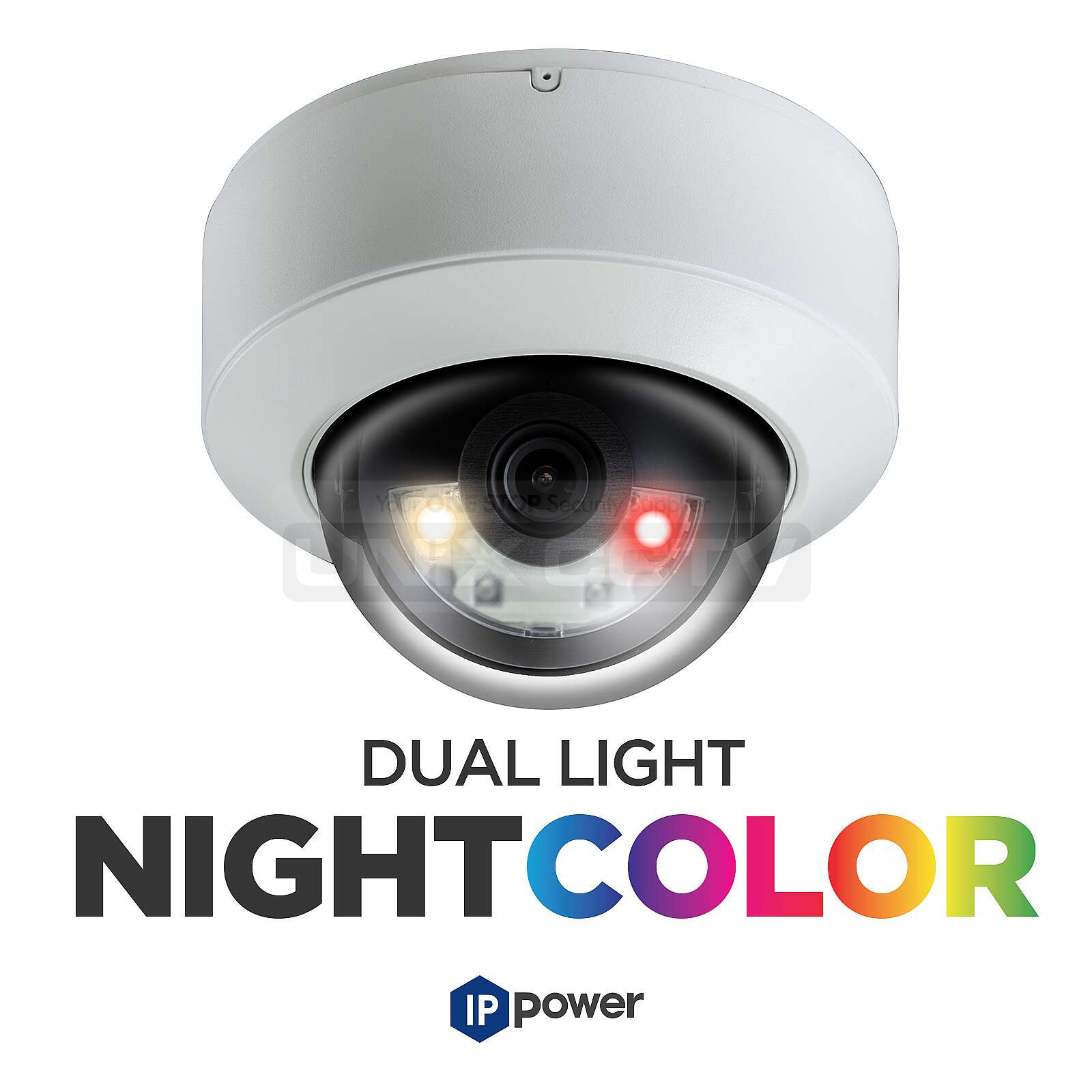
8MP dual-light dome camera with 2.8mm fixed lens

8MP Dual-Light Dome Camera, 2.8mm Fixed Lens, NDAA

A clean, reliable dome camera for entrances, hallways, lobbies, and other public-facing spaces.

  • Low-profile housing
  • 2.8mm fixed lens
  • Good for stable entry coverage
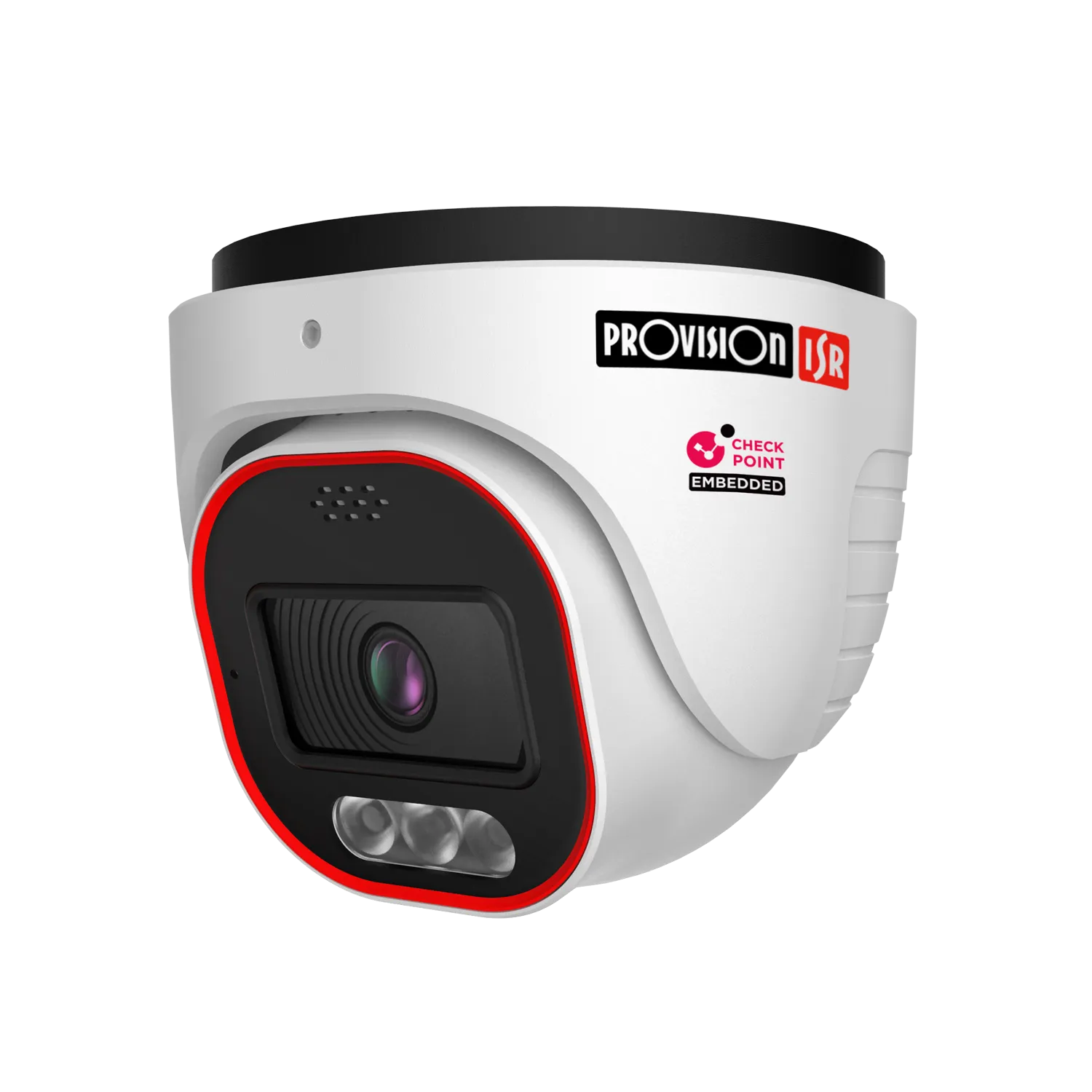
4MP rainbow MVF dome or turret camera with white LED and DDA1 analytics

4MP Rainbow MVF Dome/Turret Camera, White LED, DDA1 Analytics

A stronger fit when the site needs full-color coverage and smarter analytics in the same camera family.

  • Full-color night coverage
  • DDA1 analytics
  • Motorized varifocal lens
4MP active deterrence dome or turret camera with hybrid LED and DDA2 analytics

4MP Active Deterrence MVF Dome/Turret Camera, Hybrid LED, DDA2 Analytics

Useful when a dome-style camera also needs visible alerts and a more active response to unwanted activity.

  • Hybrid LED support
  • Active deterrence
  • DDA2 analytics
16-channel NDAA-compliant smart NVR

16CH NDAA-Compliant Smart NVR

A good recorder match for smaller to medium dome-camera systems.

  • Centralized playback
  • Remote viewing
  • NDAA-conscious
6-port gigabit PoE switch

6-Port Gigabit PoE Switch, AI Functions

Useful when dome cameras are grouped at entrances, counters, or smaller floor plans.

  • Compact switch footprint
  • PoE support
  • Small-system fit
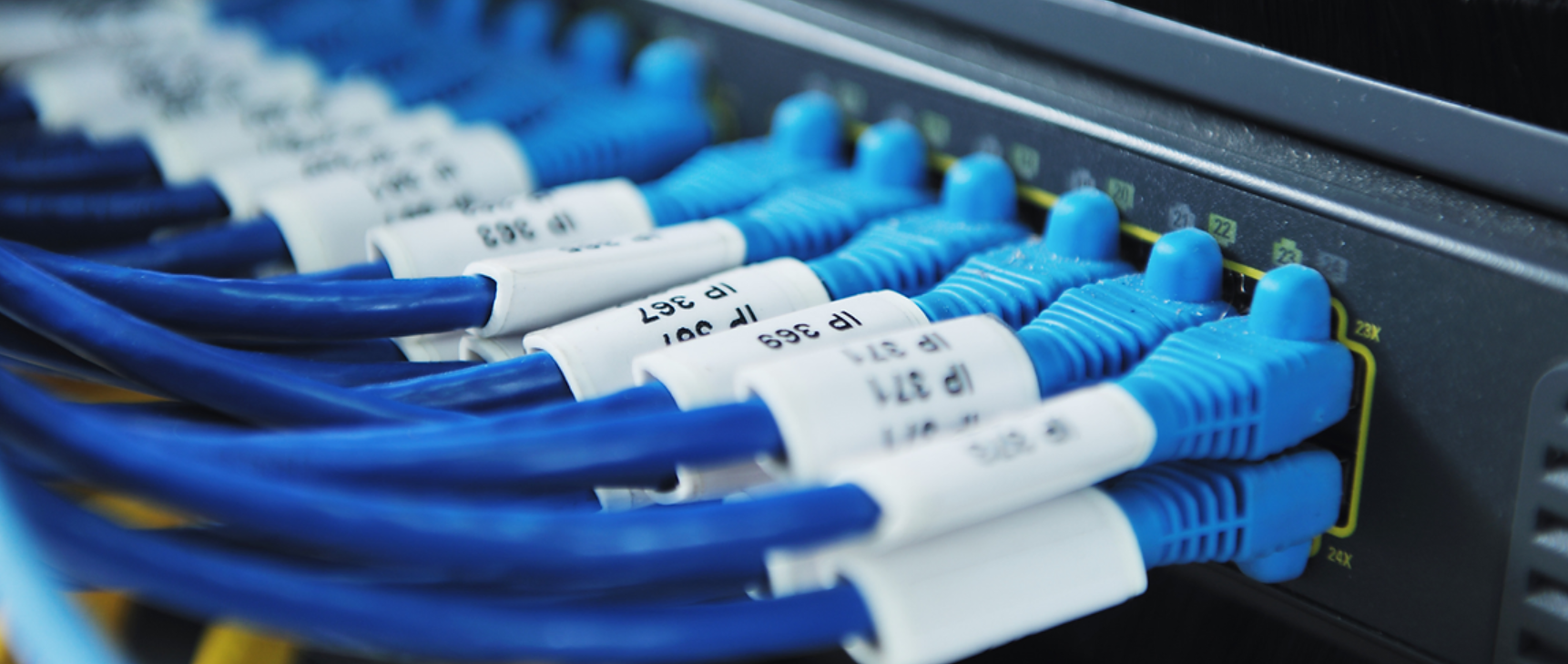
structured cabling for CCTV systems

Structured Cabling for CCTV Systems

Clean low-voltage planning matters just as much as the camera choice on dome-camera projects.

  • Clean cable paths
  • Reliable power delivery
  • Future expansion

System design checklist

Lens and mounting height

Place dome cameras where the viewing angle stays useful at entries, walkways, counters, and shared public-facing spaces.

Recorder match

Choose the NVR, retention settings, and remote viewing setup so the dome-camera footage stays easy to review later.

Power and cabling

Support dome cameras with clean PoE switching, solid terminations, and cable paths that keep the install serviceable and expandable.

Request a system walkthrough and installation quote.

Frequently asked questions

Where do dome cameras usually work best?

Dome cameras usually work best in entries, lobbies, reception areas, walkways, retail interiors, and shared spaces where the property needs dependable coverage without a more visible camera housing.

Are dome cameras good for outdoor use?

Many dome cameras can work well outdoors if the housing, lens choice, mounting position, and lighting conditions match the job. Exterior dome-camera installs should still be planned around visibility, weather exposure, and service access.

What is the difference between dome cameras and turret cameras?

Dome cameras are often chosen for their cleaner appearance and compact footprint, while turret cameras are often chosen for more visible exterior coverage and easier angle flexibility. The right fit depends on the property layout and the viewing goal.

Do dome cameras still need a recorder and PoE switch?

Yes. Dome cameras are still part of a full system, so they depend on the right recorder, PoE switching, low-voltage cabling, and remote-viewing setup to be useful after installation.

Call Us Now Request a FREE Quote