LPR Camera Installation Los Angeles

For LPR camera installation Los Angeles projects, the vehicle path, camera angle, lighting, and recorder settings are just as important as the camera model.

License plate reader camera installation helps properties capture vehicle activity at entrances, exits, gates, driveways, loading areas, and parking lots.

LPR cameras are not regular cameras pointed at traffic. They need the right angle, distance, lighting, recorder setup, and integration with the rest of the CCTV system to capture plate activity cleanly.
What this system does

LPR cameras are designed to capture vehicle plates in controlled areas such as gates, parking lots, loading yards, commercial entrances, and apartment or estate driveways.

A good LPR setup may include 4K IP cameras for general coverage, PTZ cameras for wider viewing, NVR recording, access control, and structured cabling.

License Plate Recognition Cameras Powered by State-of-the-Art Ai Software. Installed by Local Licensed Installation Professionals


Where it fits in a complete CCTV installation

LPR systems are useful for parking lots, warehouses, apartment buildings, gated communities, commercial yards, shopping centers, industrial properties, and private estates.

They often connect with access control, structured cabling, NVR storage, and other camera views that show the vehicle and surrounding context.

Speak to a Local Security Camera Installation Expert 877-429-9988

Sample License Plate Reader camera footage

LPR footage needs to show vehicle movement clearly enough that plate activity can be reviewed later with confidence. A proper license plate recognition camera installation should account for the vehicle’s path of travel, approach angle, speed, lane position, camera height, mounting distance, lighting, headlights, and whether vehicles are entering, exiting, turning, or stopping. The recorder setup also matters, since frame rate, resolution, storage, and playback quality affect how easily plate events can be searched and reviewed. For commercial properties, parking lots, gated entries, and driveways, the goal is consistent usable plate evidence in real conditions.

How to plan an LPR system for a real property

Each installation should be planned around the property, the equipment, the viewing goals, and the way the people responsible for the property need to use the system after installation.

1. Equipment requirements

Choose LPR camera placement based on vehicle direction, distance, lane width, lighting, gate position, and whether the goal is plate capture, vehicle overview, or both.

2. Property conditions

Review entrances, exits, driveway lanes, loading areas, parking lot chokepoints, and nighttime lighting before deciding where an LPR camera belongs.

3. Integration needs

Connect LPR cameras with NVR storage, overview cameras, access control, gate systems, structured cabling, and remote review requirements.

Commercial Property LPR Camera Installs

Our team has extensive experience configuring and installing security camera systems for many types of commercial properties. Each property type has different coverage needs, entry points, operating hours, and security priorities. Choose the type of commercial property below to learn more about where this system can fit.

shopping center security camera installation

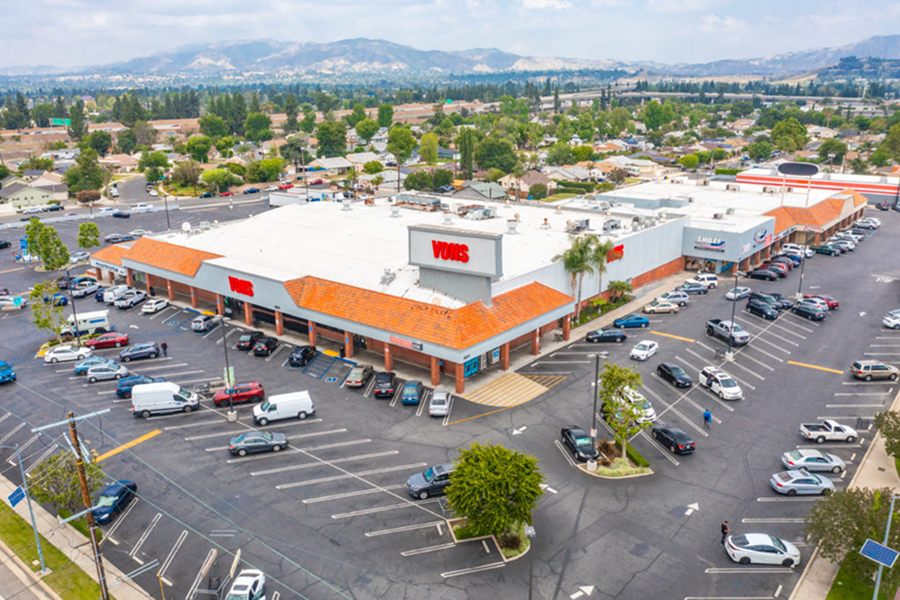
Shopping Centers

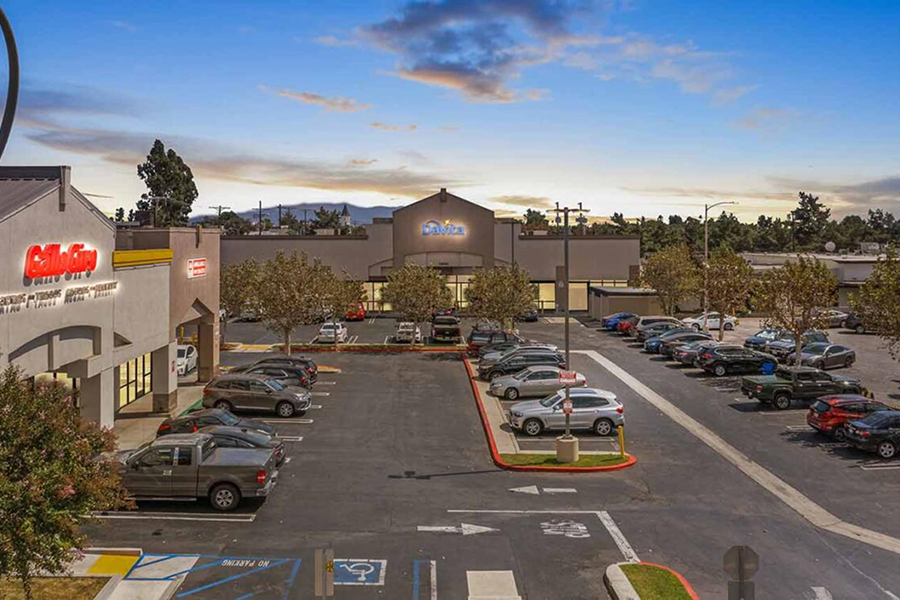
LPR cameras fit shopping center garage entries, rear service drives, and tenant parking access points where management wants cleaner vehicle records.

office building security camera installation

Office Buildings

Office buildings often use LPR cameras at gated employee lots, visitor entries, and parking decks where plate records support access review.

parking lot security camera installation

Parking Lots

Parking lots are a direct fit for LPR when the entry and exit lanes need clearer vehicle tracking than a standard overview camera can provide.

Industrial LPR Camera Installs

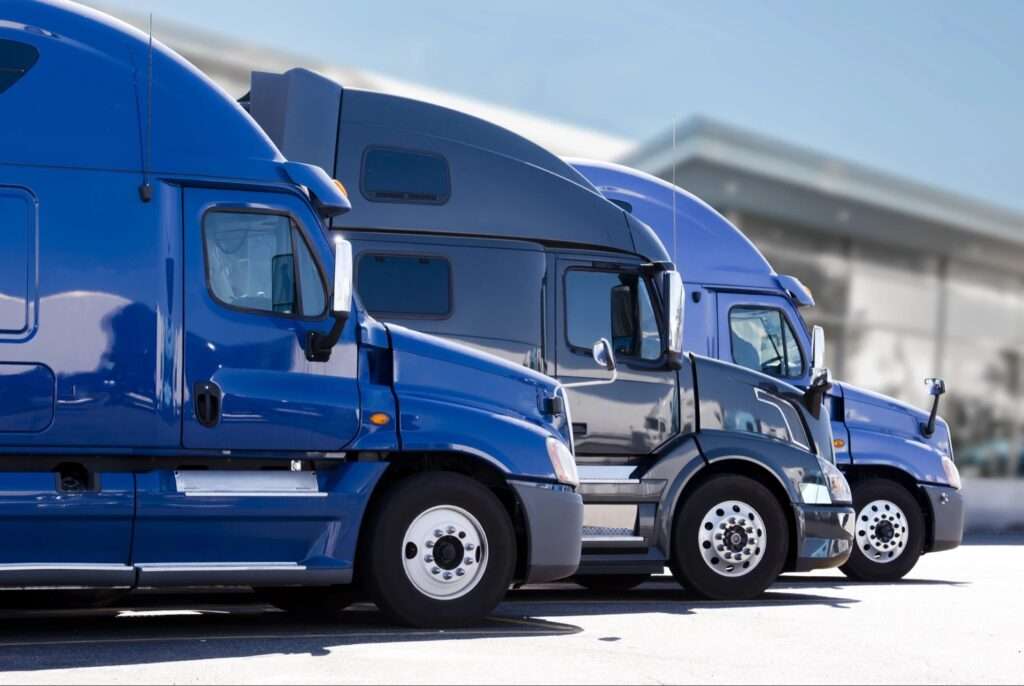
LPR coverage is especially useful where truck traffic, dispatch lanes, employee vehicle access, and controlled yard entry all need better records.

warehouse security camera installation

Warehouses

Warehouses often use LPR at truck entries, staff parking gates, and rear access lanes where vehicle movement needs to be easier to verify.

distribution center security camera installation

Distribution Centers

Distribution centers use LPR cameras at truck courts, dispatch gates, and controlled entrances where vehicle records support daily operations and incident review.

manufacturing plant security camera installation

Manufacturing Plants

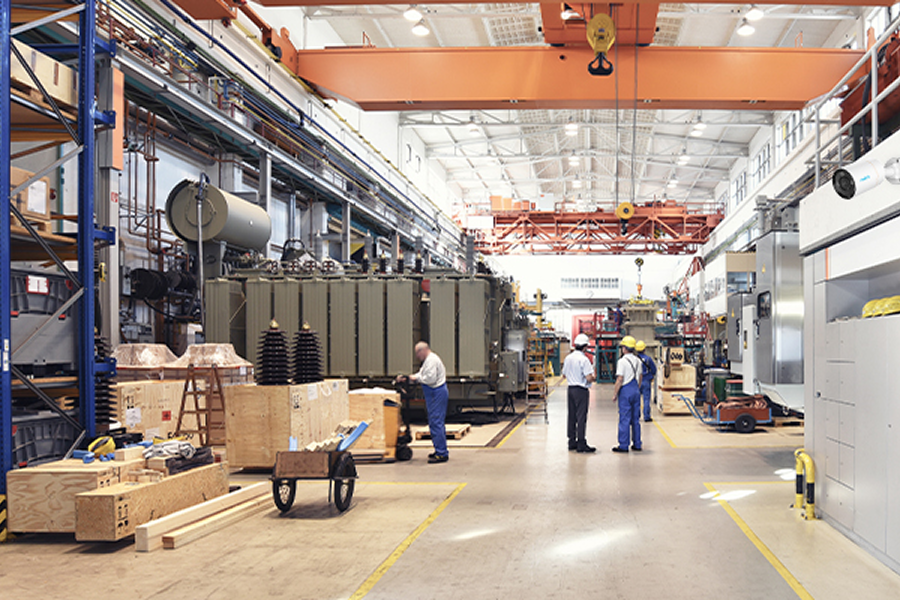
Manufacturing plants often place LPR cameras at perimeter gates, staff lots, and loading entries where a clear plate record matters more than a wide overview.

Residential LPR Camera Installs

Residential LPR usually makes the most sense on gated drives, private roads, and larger properties where vehicle tracking is part of the security plan.

single family home security camera installation

Single-Family Homes

Single-family homes may use LPR at long driveways or gated entries where the main goal is a cleaner vehicle record at the approach.

luxury property security camera installation

Luxury Properties

Luxury properties often add LPR at main gates, service drives, and guest approaches where vehicle access needs to be logged more clearly.

compound security camera installation

Compounds

Compounds are a strong fit for LPR when several gates, private roads, or detached entries make vehicle tracking part of the overall system design.

LPR Cameras and Vehicle Entry Coverage

The equipment below has been carefully selected, installed, and tested across hundreds of installations. It helps secure properties, preserve clear evidence when needed, and keep plate capture working reliably at gates, drive lanes, and parking entries. We only use equipment we trust in the field.

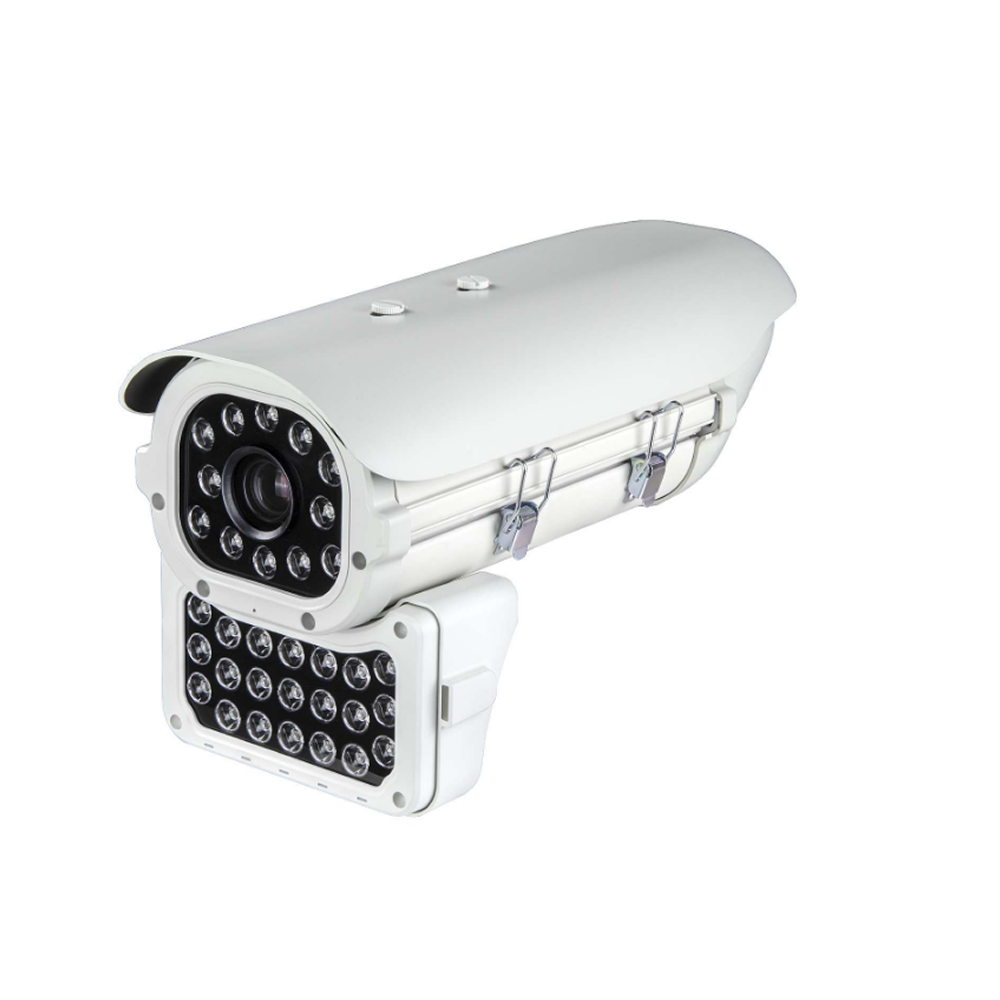
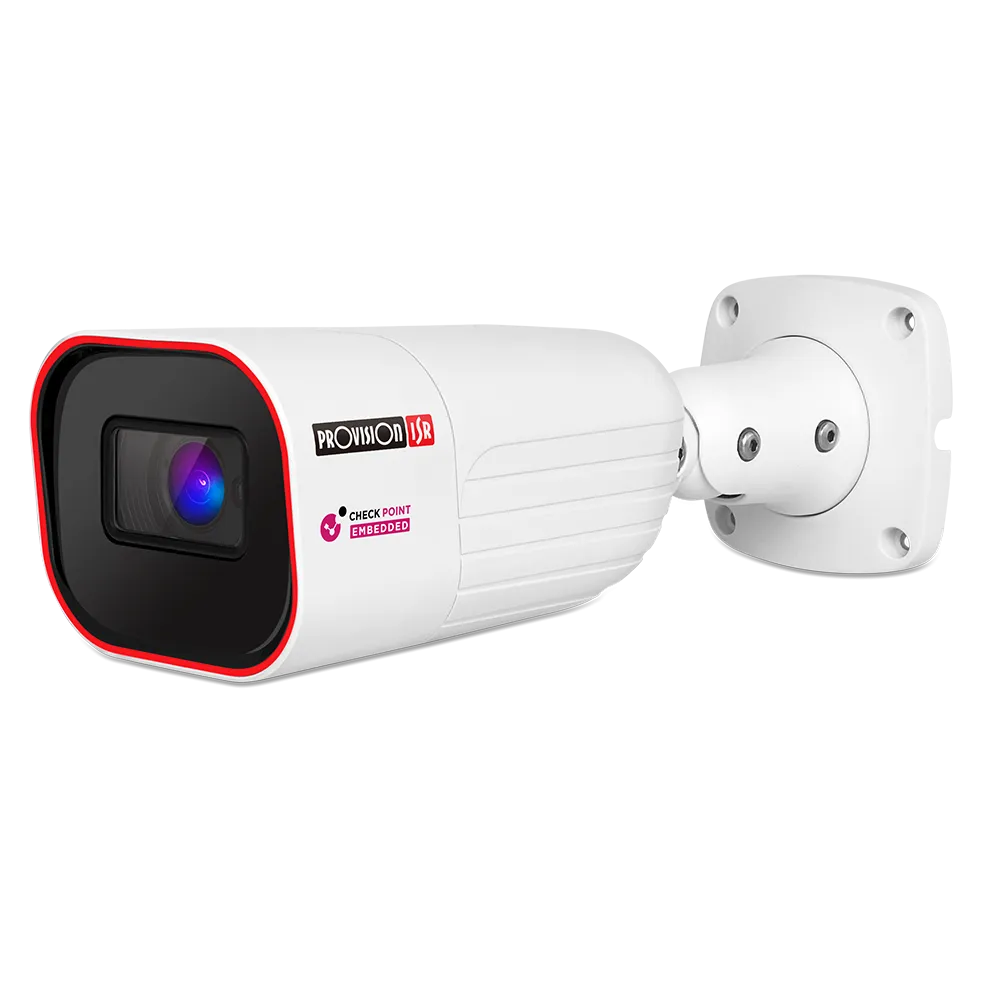
Provision license plate reader camera

Provision LPR Camera

Specialized plate-capture camera for gates, drive lanes, and parking entries where angle and distance matter.

Expand details

Common Uses

  • Gate entry systems
  • Drive lanes and parking access

Key Benefits

  • Optimized for plate capture
  • Works best with controlled lane movement

Good Fit For

  • Commercial facilities
  • Gated communities

Technical Highlights

  • Provision-ISR LPR platform
  • 4MP plate-capture optics
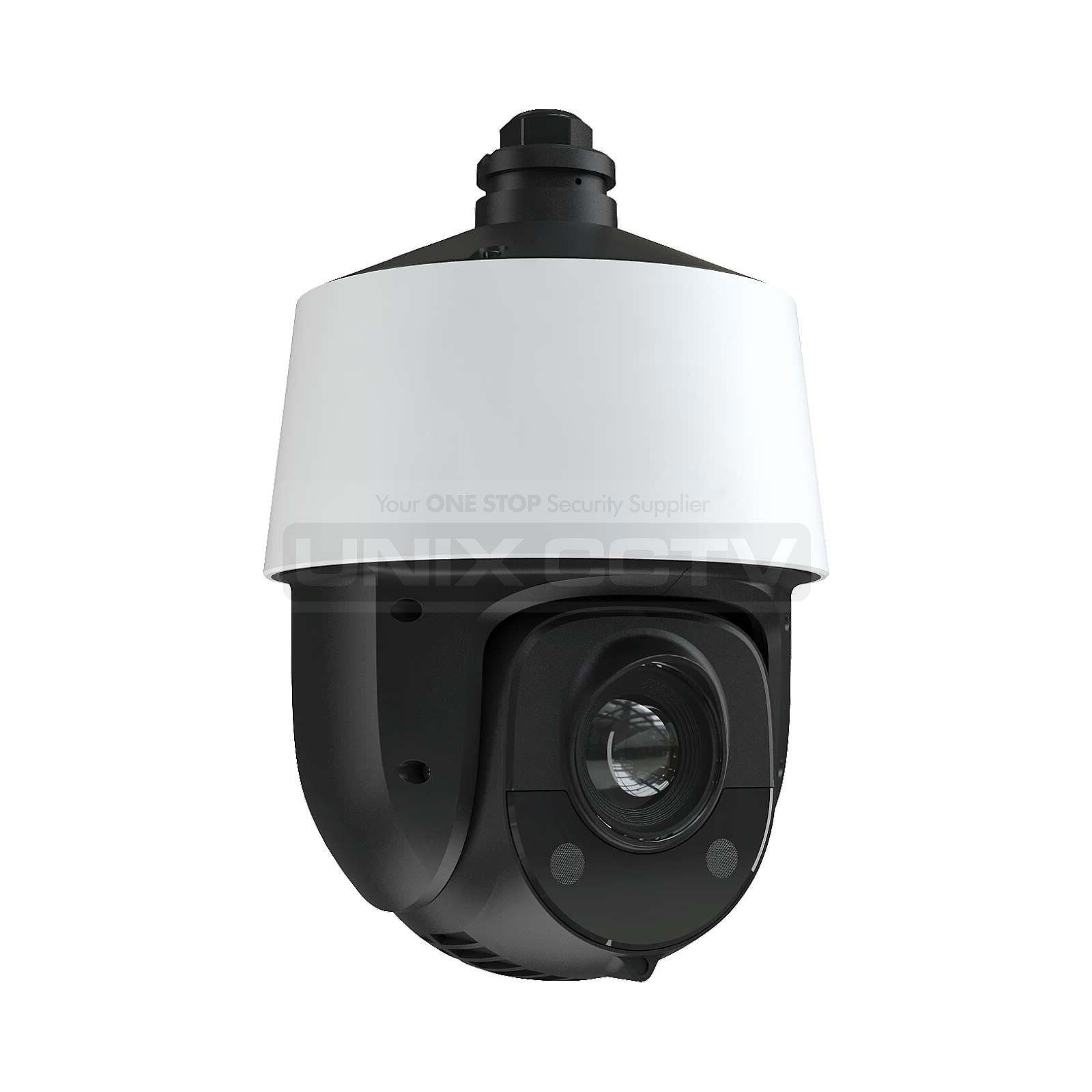
8MP 4K 24x zoom AI PTZ camera

8MP 4K PTZ Camera, 24x Zoom, AI Tracking

Helpful when the site needs wider vehicle-lane coverage and flexible viewing angles.

Expand details

Common Uses

  • Commercial parking lots
  • Warehouse yards

Key Benefits

  • 24x zoom
  • AI tracking
  • Long-range viewing

Good Fit For

  • Large outdoor properties
  • Perimeter monitoring

Technical Highlights

  • 8MP 4K ultra-high-definition resolution
  • 24x zoom lens
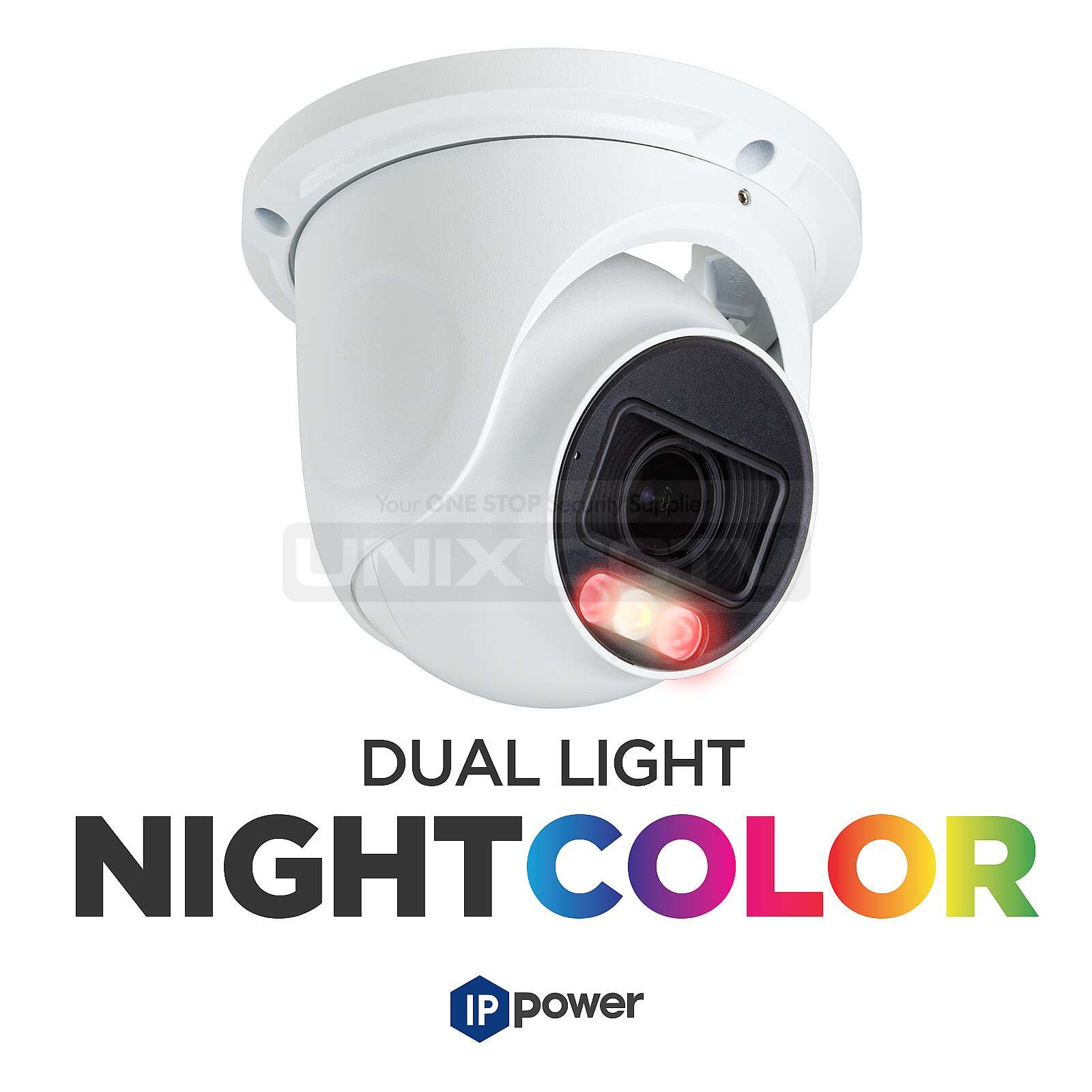
8MP dual-light night color IP turret camera with AI light and sound warning

8MP 4K IP IR Dome Camera

Low-profile overview camera for nearby entrances, lobbies, or gate-adjacent areas that support the LPR zone.

Expand details

Common Uses

  • Office entries
  • Retail interiors and lobbies

Key Benefits

  • Compact appearance
  • Strong low-light visibility

Good Fit For

  • Commercial interiors
  • Shared access areas

Technical Highlights

  • 8MP 4K UHD resolution
  • Infrared night vision
8MP 4K IP IR turret camera

8MP 4K IP IR Turret Camera

Flexible exterior camera for parking lanes, walls, and nearby areas that need solid night detail.

Expand details

Common Uses

  • Exterior building walls
  • Parking lots

Key Benefits

  • Strong nighttime IR visibility
  • Reduced IR reflection issues

Good Fit For

  • Outdoor installations
  • Commercial buildings

Technical Highlights

  • 8MP 4K ultra-high-definition resolution
  • Infrared night vision
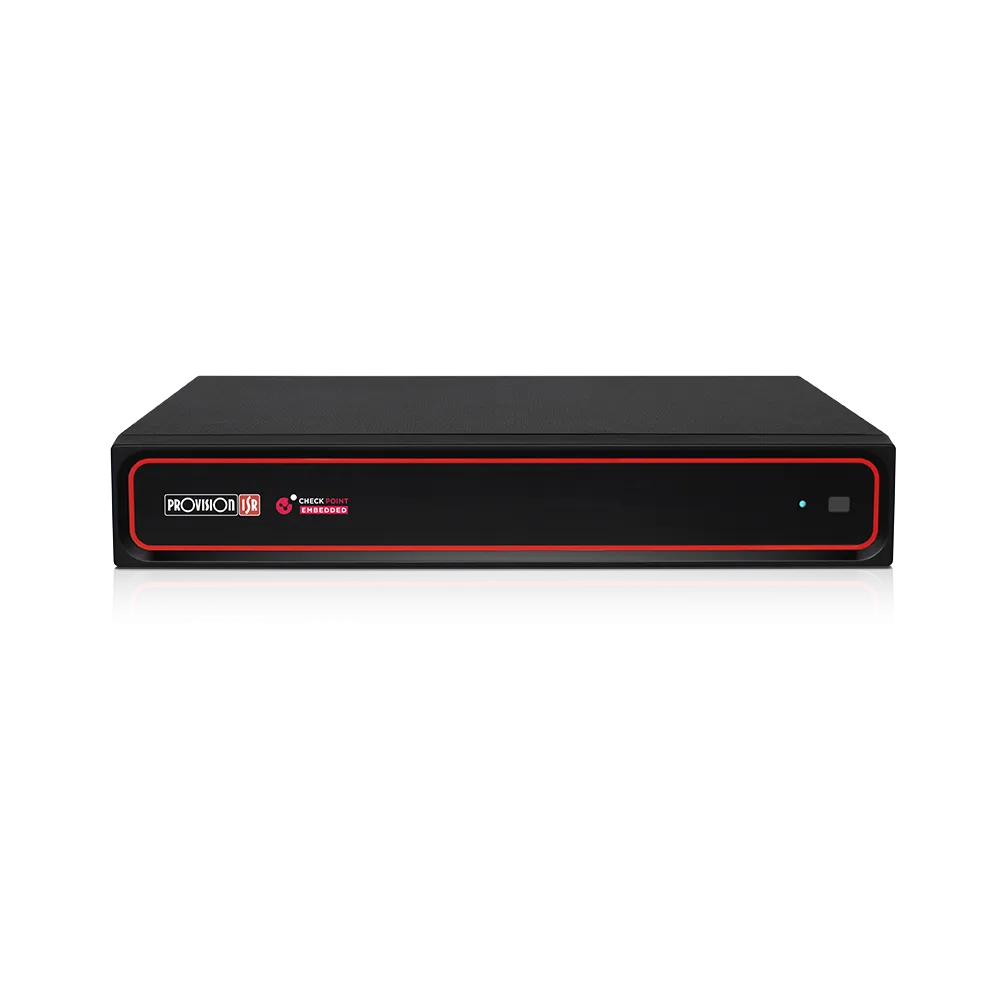
32-channel 8MP face recognition NVR

32CH 8MP Face Recognition NVR

Recorder option for larger LPR systems that need more channels, more retention, and easier event review.

Expand details

Common Uses

  • Commercial buildings
  • Apartment complexes

Key Benefits

  • Supports up to 32 camera channels
  • Face recognition and advanced analytics support

Good Fit For

  • Mid-size commercial systems
  • Multi-camera environments

Technical Highlights

  • 32-channel IP camera support
  • 8MP recording capability
6-port gigabit PoE switch

6-Port Gigabit PoE Switch, AI Functions

Compact power and network support for smaller LPR installs and cleaner cabling runs.

Expand details

Common Uses

  • Small offices
  • Entry-level CCTV systems

Key Benefits

  • PoE power budget
  • Managed network flexibility

Good Fit For

  • Small system builds
  • Gate-side equipment rooms

Technical Highlights

  • 1 GbE uplink and 1 x 10G SFP
  • Layer 2 AI switching modes

System design checklist

Vehicle capture zone

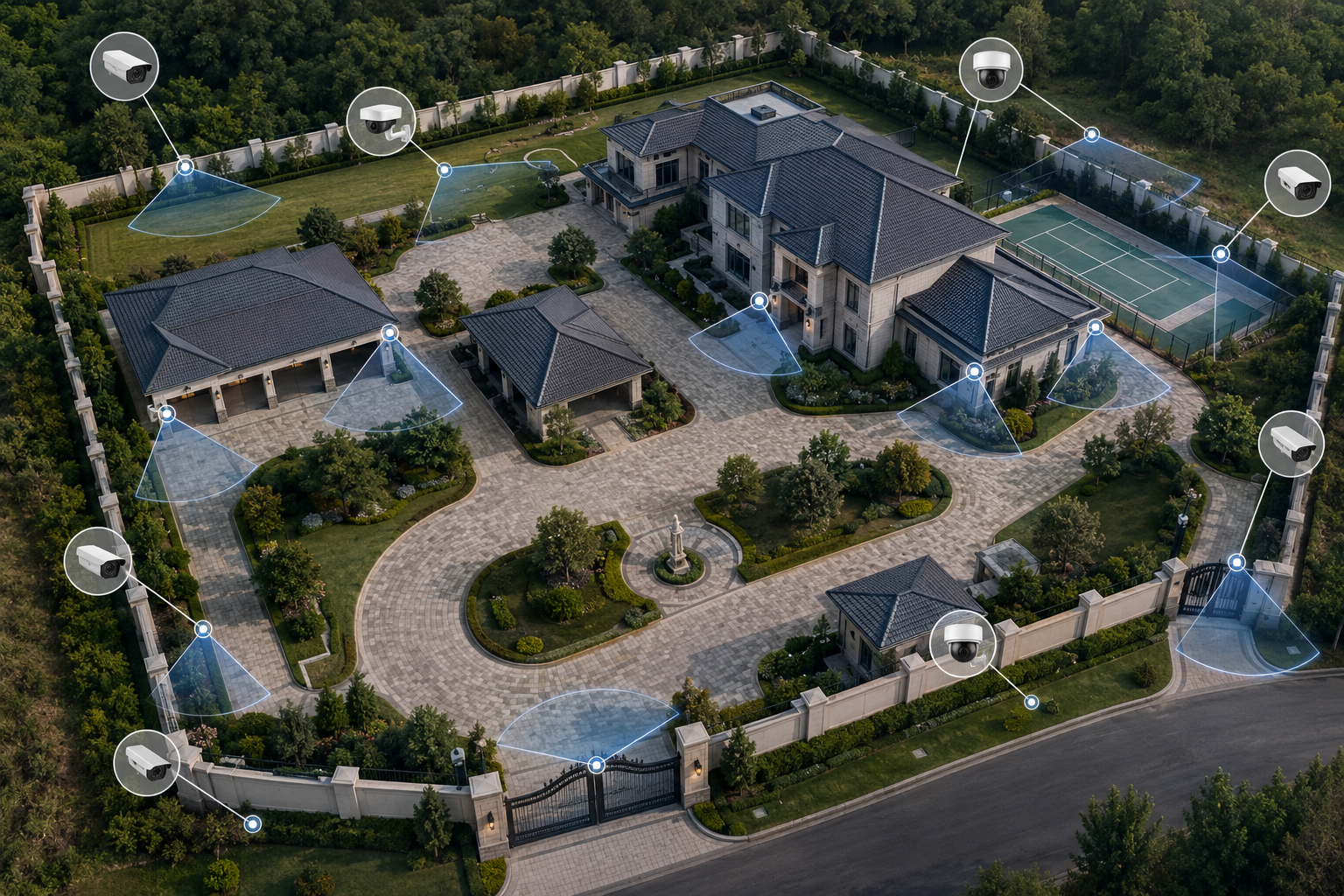
An LPR camera needs a controlled view of the vehicle path, not just a general parking lot angle. We look at lane width, vehicle speed, camera height, distance, headlights, and day/night lighting so the camera has a realistic chance of capturing usable plate footage.

Overview camera pairing

Plate capture is only one part of the story. In many installations, an LPR camera should be paired with 4K overview cameras or PTZ coverage so the property can see the vehicle, direction of travel, gate area, and surrounding activity.

Recording & Access

LPR footage should be easy to review, search, and export from the recorder. We plan the NVR, retention period, cabling, network access, and any gate or access control integration around how the people responsible for the property will actually use the plate footage.

Request a system walkthrough and installation quote.

Frequently asked questions

Where should an LPR camera be installed?

The best location is usually a controlled vehicle path such as a gate, driveway, entrance lane, exit lane, or parking lot chokepoint. LPR cameras work best when vehicles pass through a predictable area instead of crossing the camera view at random angles. For general license plate reader context, see the Security Industry Association as an industry reference point.

Is an LPR camera the same as a regular security camera?

No. A regular camera may show a vehicle, but an LPR camera is selected and aimed specifically for plate capture. Distance, angle, lighting, shutter settings, and recorder compatibility all matter more than they would on a general overview camera.

Do LPR cameras work at night?

Many LPR cameras are designed to work at night, but the installation still has to account for headlights, reflective plates, approach angle, and distance. Night performance should be part of the planning conversation before the camera is mounted.

Can LPR cameras connect with gates or access control?

Yes. LPR cameras can be used near gates, controlled entrances, parking lots, or commercial yards and can be planned alongside access control, NVR recording, and other camera views.