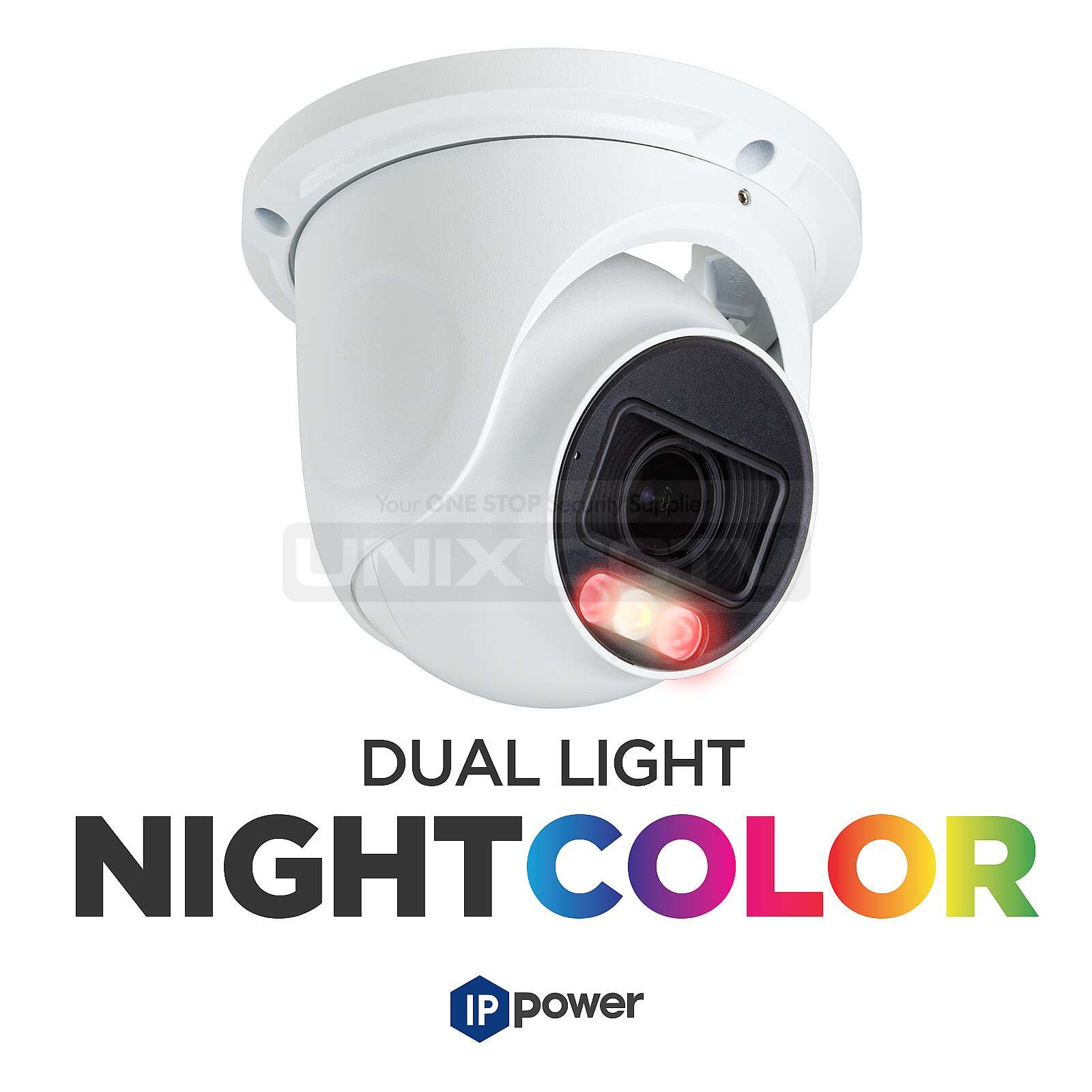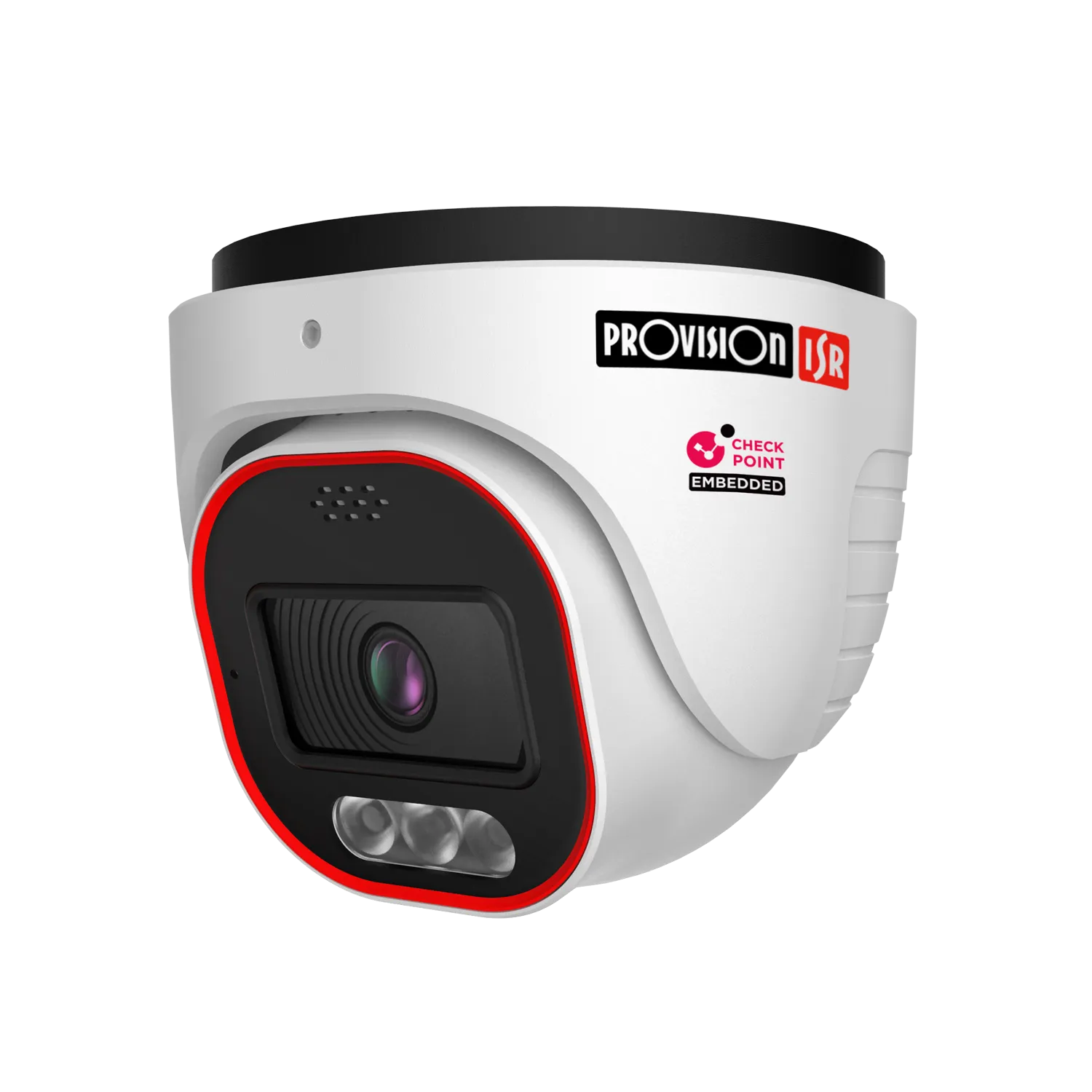
Turret Cameras in Los Angeles

Turret cameras are a practical choice when the property needs dependable exterior coverage, stronger angle flexibility, and a camera housing that works well on walls, approaches, parking edges, and driveways. This page explains where turret cameras fit and how they are used alongside recorders, PoE switching, and low-voltage planning.
Request a Turret Camera Quote

Promo video showing the overall installation approach and how the camera, recorder, and support equipment are planned together.

What this system does

Turret cameras are often used where the property needs flexible placement, clear coverage on exterior walls, and a camera that can be aimed cleanly toward approaches, lots, and walkways.

They are common on commercial exteriors, apartment entries, side yards, gates, parking rows, and residential driveways where the viewing angle and the quality of the night image matter.

Where it fits in a complete CCTV installation

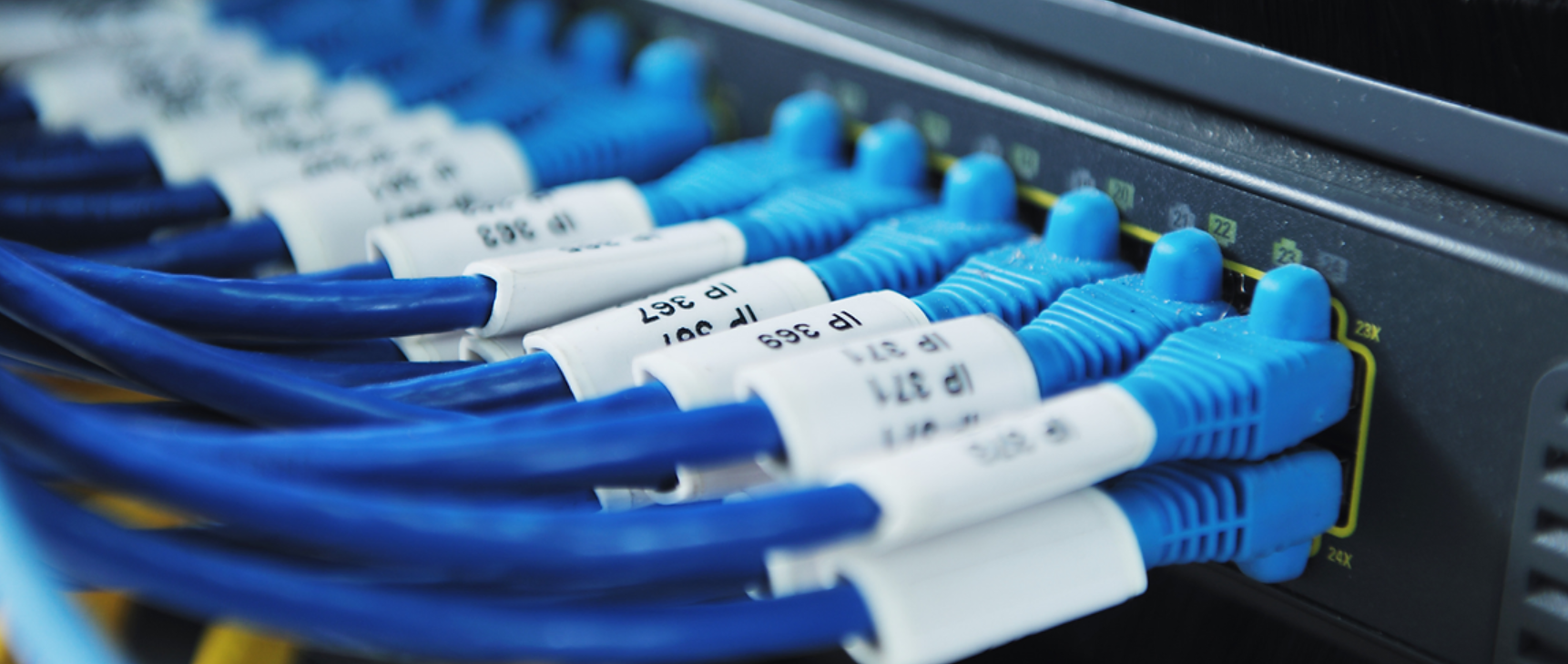
Turret cameras usually work as part of a mixed system. A stronger installation may pair turret cameras with dome cameras, PTZ coverage, NVR storage, and PoE switches so each zone gets the right camera style for the job.

Useful internal links for this page include 4K IP cameras, PTZ cameras, NVR and DVR systems, structured cabling, and featured security products.

Sample turret camera footage

This kind of footage shows why turret cameras are popular on driveways, side approaches, parking edges, and exterior walls where angle control and low-light detail matter.

This clip reflects the kind of driveway, approach, or perimeter footage turret cameras are often chosen to capture when clear angle control and night detail matter.

How to plan turret camera coverage

Turret cameras are usually chosen for their flexible aiming and strong exterior fit. The real job is deciding which walls, drive aisles, entries, and perimeter views benefit most from that flexibility.

1. Exterior viewing angles

Use turret cameras where the property needs controlled views along walls, drive lanes, side yards, loading edges, or parking rows.

2. Night detail

Plan around changing light, vehicle headlights, and longer approach views so the camera still captures useful footage after dark.

3. Support hardware

Match the turret-camera layout with the right NVR, PoE switching, and low-voltage paths so the exterior coverage remains stable.

Commercial Properties

Commercial installs often lean on turret cameras for exterior coverage at entries, rear approaches, side walls, parking edges, and other spots where clean angle control matters.

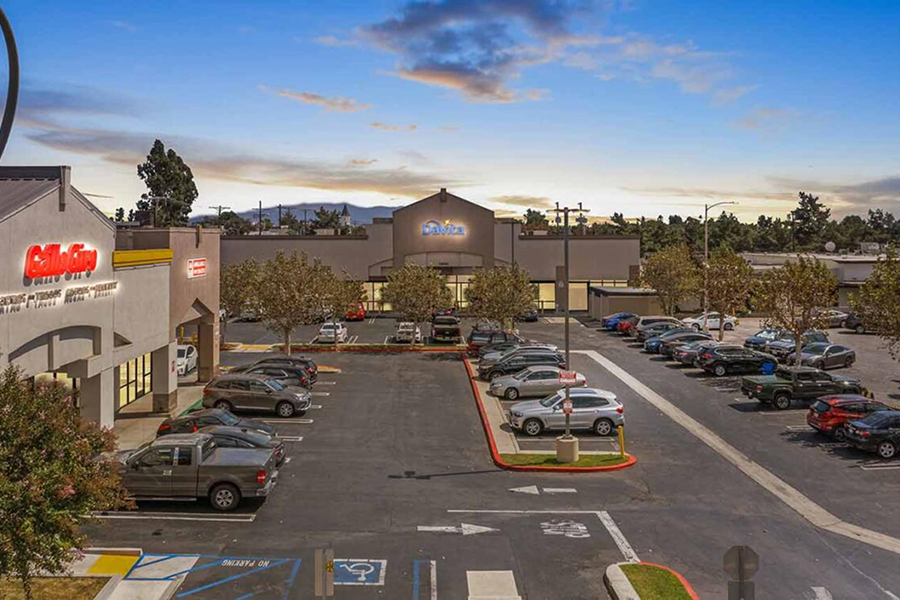
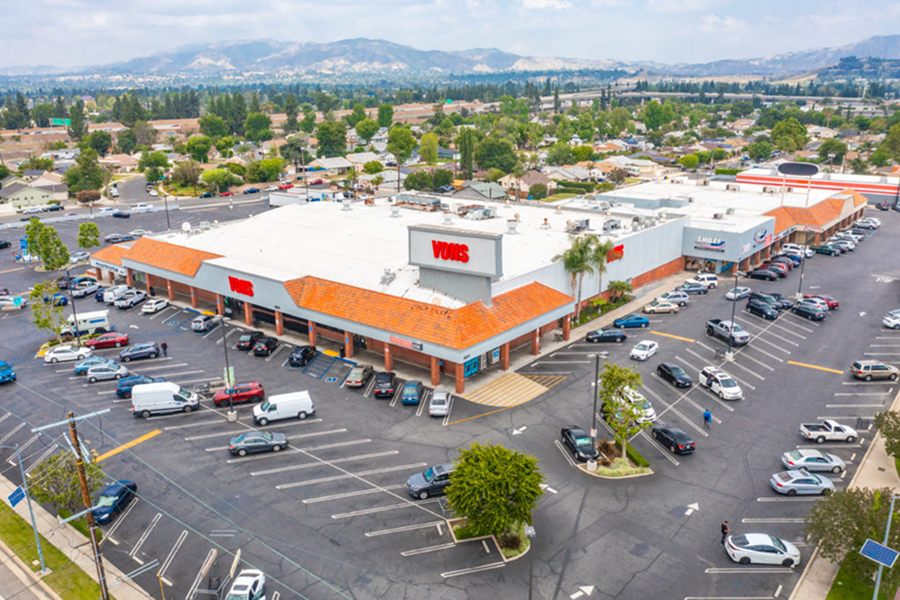
shopping center turret camera installation

Shopping Centers

Shopping centers often use turret cameras at storefront approaches, rear service lanes, and parking edges where the camera angle needs to be dialed in carefully.

office building turret camera coverage at entries and exterior walls

Office Buildings

Office buildings often rely on turret cameras for exterior entries, side walkways, and parking-lot approaches where a fixed but well-aimed view is the goal.

parking lot turret camera installation

Parking Lots

Parking lots are a natural fit for turret cameras where the system needs stronger views down rows, across drive aisles, and near pedestrian approaches.

Industrial Properties

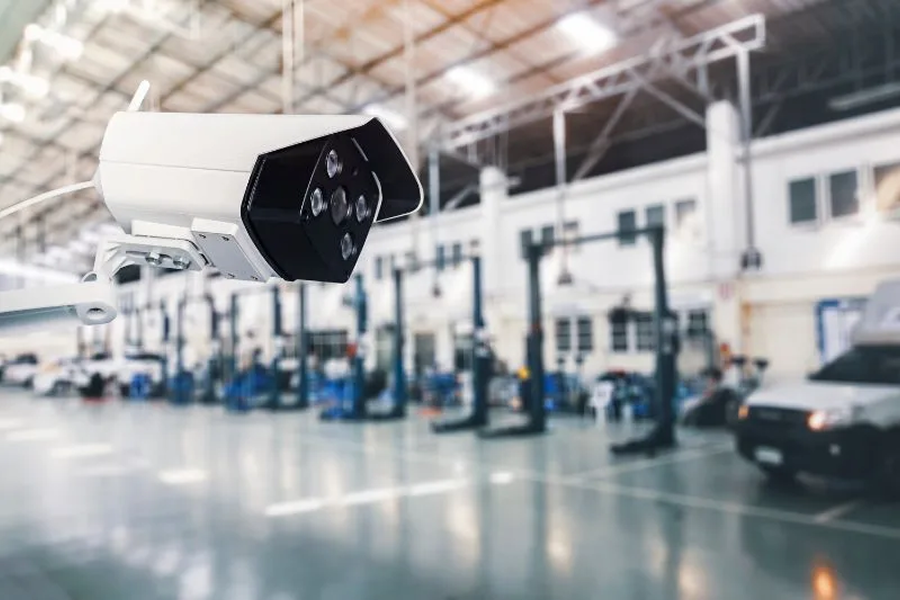
Industrial properties often use turret cameras to cover dock edges, yard approaches, wall lines, and other exterior zones where a durable fixed view matters more than zoom movement.

warehouse turret camera installation for dock and wall coverage

Warehouses

Warehouse systems often use turret cameras around loading docks, trailer lanes, and wall-mounted exterior runs where the camera needs a stable fixed view.

distribution center turret camera installation

Distribution Centers

Distribution centers often use turret cameras to cover long exterior lines, employee entries, dock doors, and trailer approaches.

manufacturing plant turret camera coverage for exterior approaches

Manufacturing Plants

Manufacturing properties often need turret cameras for fence lines, side approaches, and controlled views around working exterior zones.

Residential Properties

Residential systems often use turret cameras where the owner needs stronger exterior views of driveways, side yards, walkways, and garage approaches without moving up to a PTZ.

single family home turret camera installation

Single-Family Homes

Single-family homes often use turret cameras to watch driveways, side gates, yards, and garage approaches where the angle needs to stay precise.

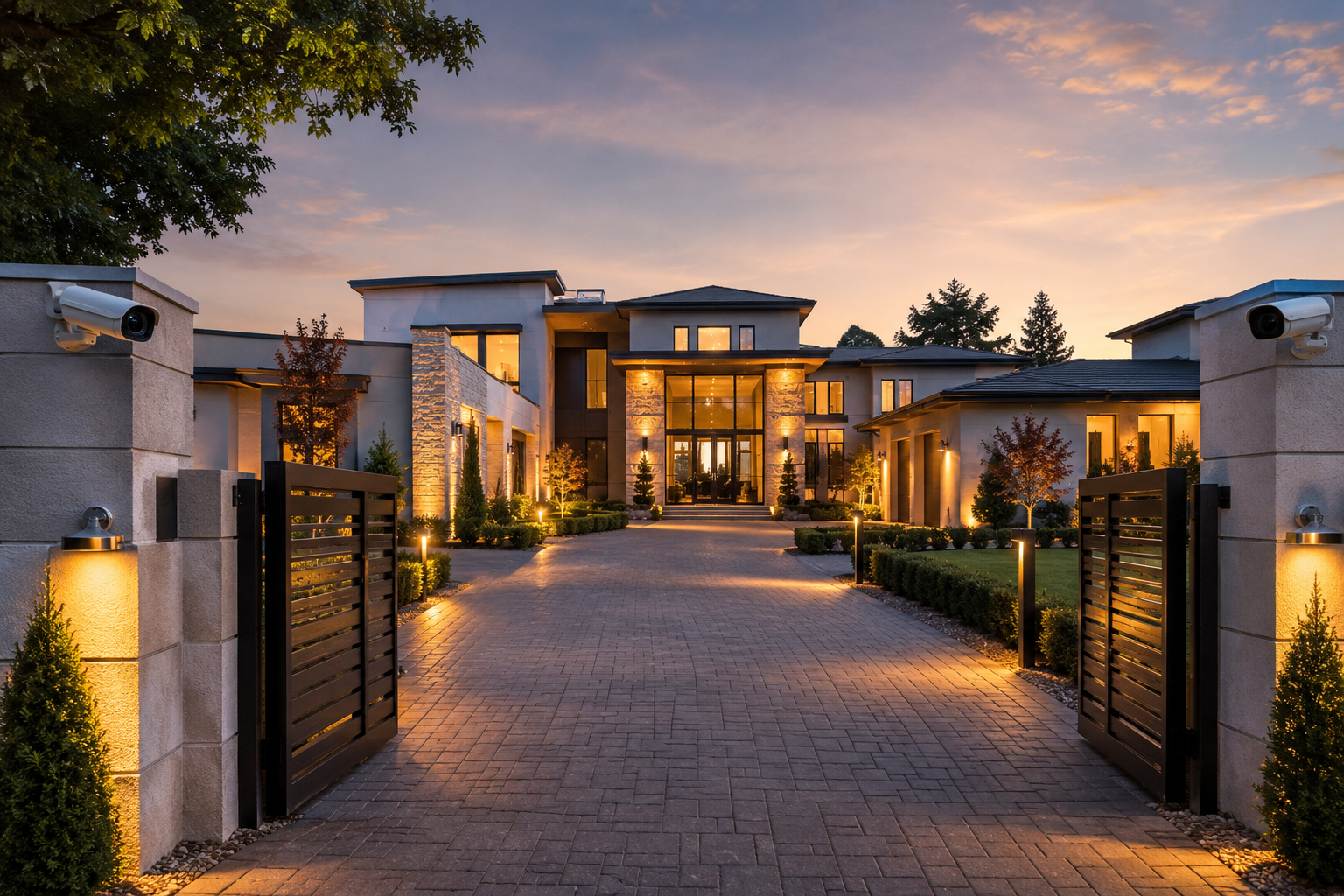
luxury property turret camera installation for perimeter views

Luxury Properties

Luxury properties often use turret cameras for longer approach views, garage courts, service lanes, and other exterior zones where fixed detail matters.

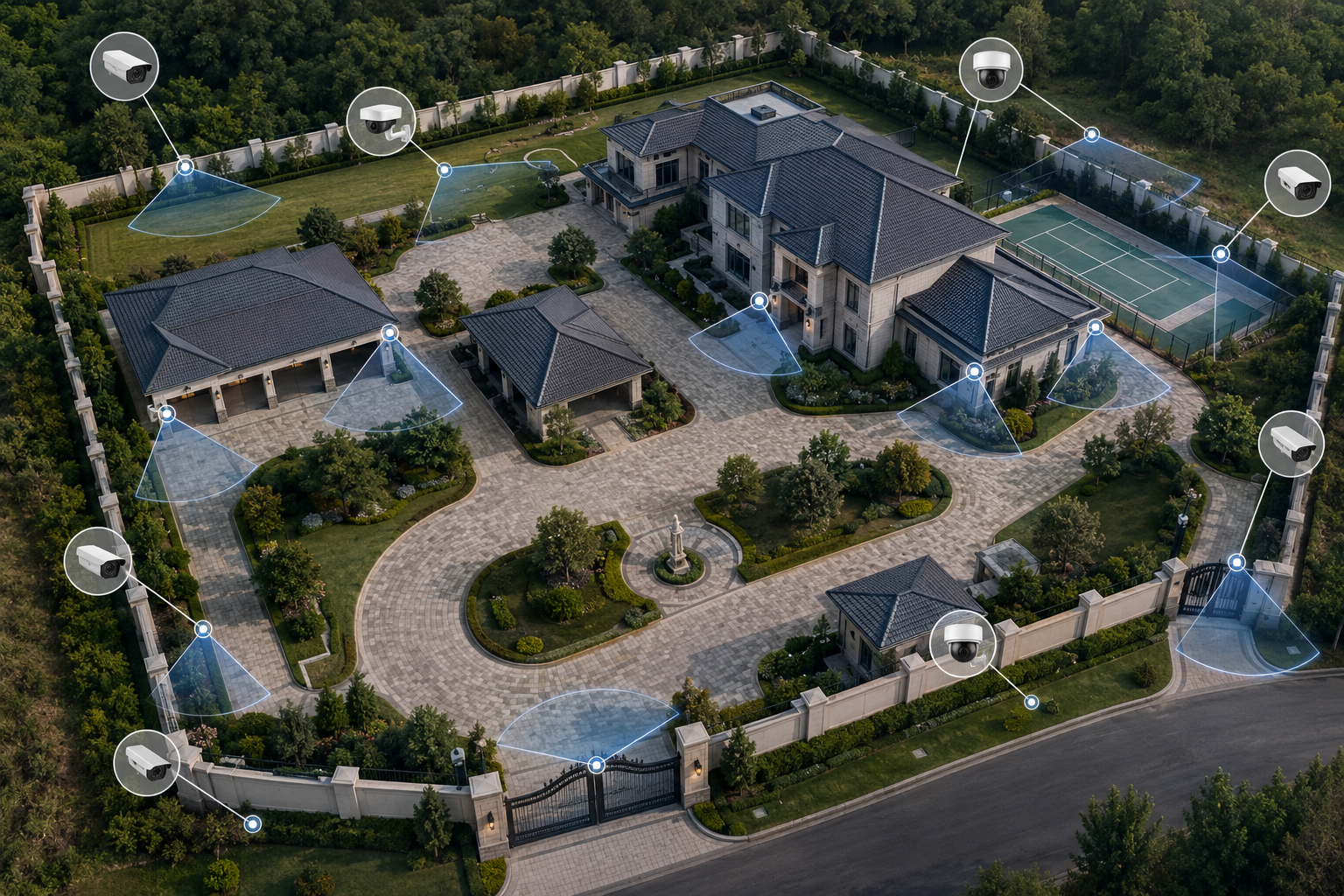
compound turret camera installation for perimeter and driveway coverage

Compounds

Compounds often use turret cameras for perimeter walls, inner drive lanes, guest approaches, and other broad exterior lines inside the property.

Recommended Turret Camera Equipment

Use these turret-camera options to show the difference between straightforward exterior coverage, smarter night coverage, and stronger deterrence where the property needs more active response.

8MP dual-light turret camera with VF motorized lens

8MP Dual-Light Turret Camera, VF Motorized Lens, NDAA

A flexible turret camera for entries, side yards, parking rows, and exterior walls where the angle may need field adjustment.

  • Motorized varifocal lens
  • Dual-light performance
  • Good for perimeter coverage
8MP dual-light night color IP turret camera with AI light and sound warning

8MP Dual-Light Night Color IP Turret, AI, Light + Sound Warning, Fixed Lens

A stronger fit when the property wants full-color night footage and visible deterrence in the same camera.

  • AI alerts
  • Night color coverage
  • Light and sound warning
4MP active deterrence dome or turret camera with hybrid LED and DDA2 analytics

4MP Active Deterrence MVF Dome/Turret Camera, Hybrid LED, DDA2 Analytics

Useful when the site needs a turret-style deterrence option with more active alerting and smarter event filtering.

  • DDA2 analytics
  • Hybrid LED support
  • Active deterrence
16-channel NDAA-compliant smart NVR

16CH NDAA-Compliant Smart NVR

A practical recorder fit for smaller turret-camera systems and mixed camera layouts.

  • Centralized recording
  • Remote viewing
  • Scalable storage
20-port gigabit PoE switch

20-Port Gigabit PoE Switch, AI Functions

Useful when the exterior camera count grows and the site needs more power headroom.

  • More ports
  • Better power budget
  • Mid-size system fit
structured cabling for CCTV systems

Structured Cabling for CCTV Systems

Longer exterior runs and cleaner terminations matter on turret-camera projects.

  • Long cable runs
  • Clean install
  • Reliable network path

System design checklist

Exterior view planning

Use turret cameras where the wall line, driveway, side yard, or parking edge benefits from a stable fixed view.

Footage retention

Pair turret coverage with the right recorder and settings so the exterior footage stays easy to review when incidents happen.

PoE and cable paths

Keep turret cameras on clean low-voltage runs with properly sized PoE switching, weather-aware placement, and room for future additions.

Request a system walkthrough and installation quote.

Frequently asked questions

Where are turret cameras usually installed?

Turret cameras are usually installed on exterior walls, driveways, side yards, parking edges, and entry approaches where the property needs a stable viewing angle and good night detail.

What is the main advantage of turret cameras?

The main advantage is flexibility. Turret cameras are often easier to aim on site, and they are a strong fit for exterior coverage where the installer needs to dial in the final view carefully.

Can turret cameras be used with PTZ or LPR cameras?

Yes. Many stronger systems combine turret cameras with PTZ cameras, LPR cameras, and recorder storage so each part of the property gets the right type of coverage.

Do turret cameras still need PoE switches and cabling?

Yes. Turret cameras depend on the same core infrastructure as the rest of the system, including low-voltage cabling, PoE switching, recorder support, and the right remote-viewing setup.

Call Us Now Request a FREE Quote