IP Camera Installation Los Angeles

For IP camera installation Los Angeles projects, the camera model, network path, recorder, and low-voltage cabling all need to work together.

IP camera systems are the foundation of many modern CCTV installations. They connect cameras, recorders, network equipment, cabling, app access, and access control into one system that can be designed around the property instead of forcing every location into the same package.

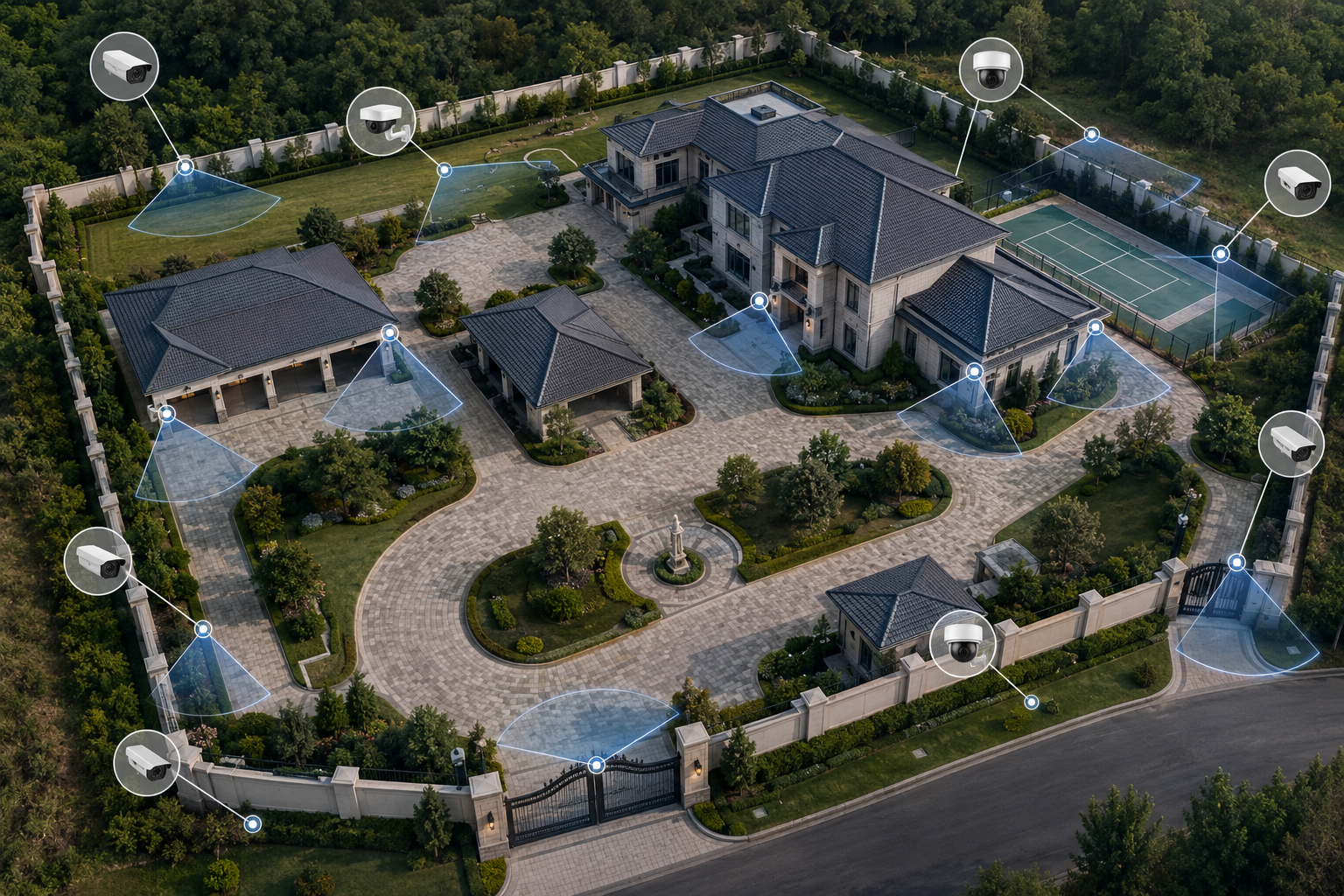
For Los Angeles properties, the right IP camera plan may include fixed cameras for entrances, specialty cameras for vehicles or wide areas, NVR storage, low-voltage cabling, and remote access that is configured around how the owner actually uses the system.
Request an IP Camera Installation Quote

Overview video for IP camera installation, network camera planning, NVR storage, cabling, remote viewing, and property-specific CCTV design.

What this system does

IP cameras send video over a network so a system can support higher resolution, cleaner expansion, flexible recorder options, and stronger integration with other security equipment.

A professional IP camera installation may include fixed dome, turret, and bullet IP cameras, PTZ cameras, LPR cameras, AI-enabled cameras, structured cabling, PoE switches, and NVR storage.

Where it fits in a complete CCTV installation

An IP camera system can support offices, warehouses, retail stores, apartment buildings, parking lots, commercial buildings, single family residences, estates, and larger compounds.

Most systems connect with 4K IP cameras, NVR recording, structured cabling, Wi-Fi access points, and access control installation when needed.

Sample IP camera footage

This clip shows the kind of clear, usable footage an IP camera system should provide after the cameras are aimed, focused, and connected to the recorder. The goal is not just to install cameras, but to make sure entrances, vehicles, walkways, and activity areas are easy to review later.

Sample IP camera footage showing the kind of clear, usable video a properly aimed and connected IP camera system should provide.

How to plan this system for a real property

Each installation should be planned around the property, the equipment, the viewing goals, and the way the owner needs to use the system after installation.

1. Equipment requirements

Match the IP camera type to each area: dome cameras for entrances, turret cameras for exterior walls, bullet cameras for long views, PTZ cameras for wide areas, and LPR cameras for vehicle points.

2. Property conditions

Plan around entrances, parking areas, lobbies, gates, exterior walls, cable paths, network closets, and any areas where lighting changes at night.

3. Integration needs

Connect the cameras with NVR recording, structured cabling, PoE switching, Wi-Fi access points when needed, access control, remote viewing, and display monitors.

Commercial IP Camera Installs

These examples show where networked IP cameras are the best fit and how they support recorder planning, remote viewing, and future expansion.

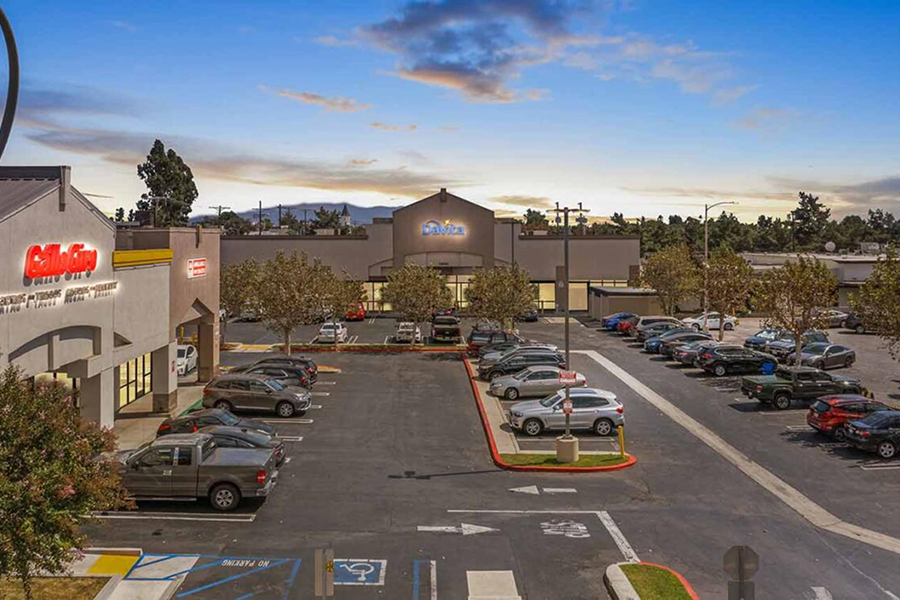
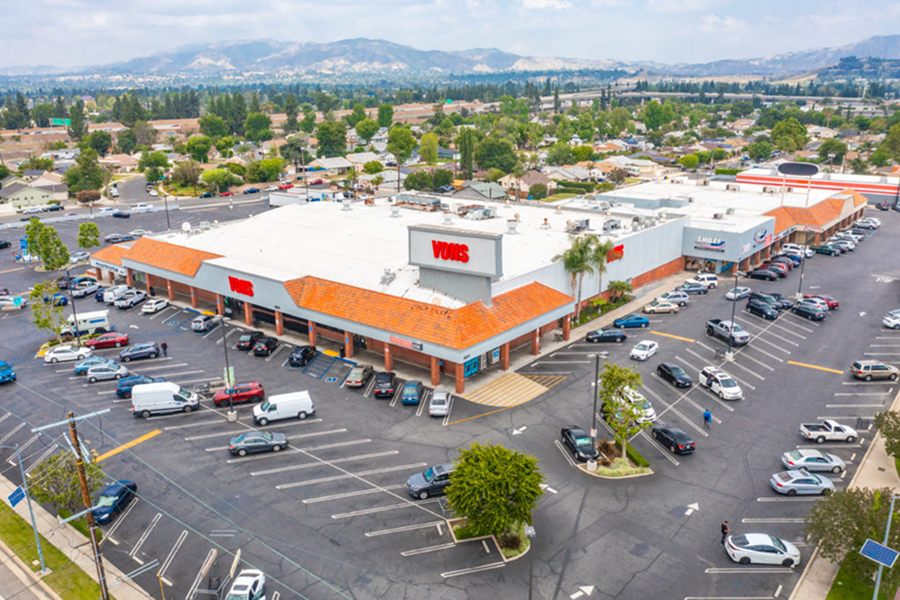
shopping center security camera installation

Shopping Centers

IP cameras work well in shopping centers because several storefront, parking, and service zones can be tied back into one recorder and network plan.

office building security camera installation

Office Buildings

Office buildings are a natural IP camera fit where lobbies, entries, elevators, parking, and remote review all need to live on one system.

parking lot security camera installation

Parking Lots

Parking lots often use IP cameras where the property wants better image quality, easier remote review, and room to expand later.

Industrial IP Camera Installs

Industrial IP systems usually make the most sense where larger camera counts, longer runs, and recorder-side flexibility all matter.

warehouse security camera installation

Warehouses

Warehouses often build around IP cameras because dock, aisle, office, and yard views can all be managed through one recorder and network structure.

distribution center security camera installation

Distribution Centers

Distribution centers use IP cameras where larger camera counts and future system growth make network-based planning the better long-term choice.

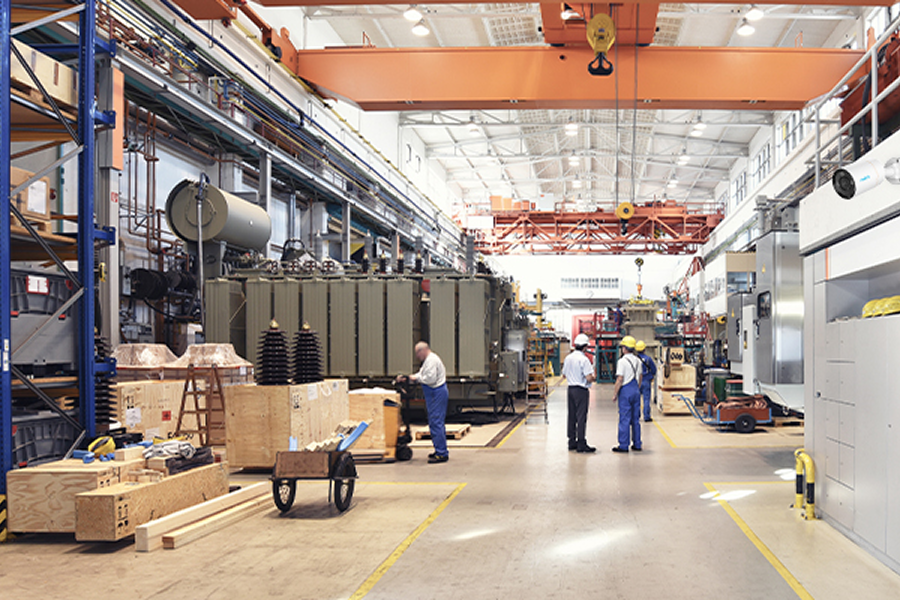
manufacturing plant security camera installation

Manufacturing Plants

Manufacturing plants often use IP cameras where exterior approaches, staff entries, and process-adjacent views need to tie into a scalable recorder plan.

Residential IP Camera Installs

Residential IP camera systems usually focus on image quality, remote viewing, and clean recorder planning around the parts of the property that matter most.

single family home security camera installation

Single-Family Homes

Single-family homes often use IP cameras for driveways, front entries, side yards, and garages where remote viewing and a cleaner recorder setup matter.

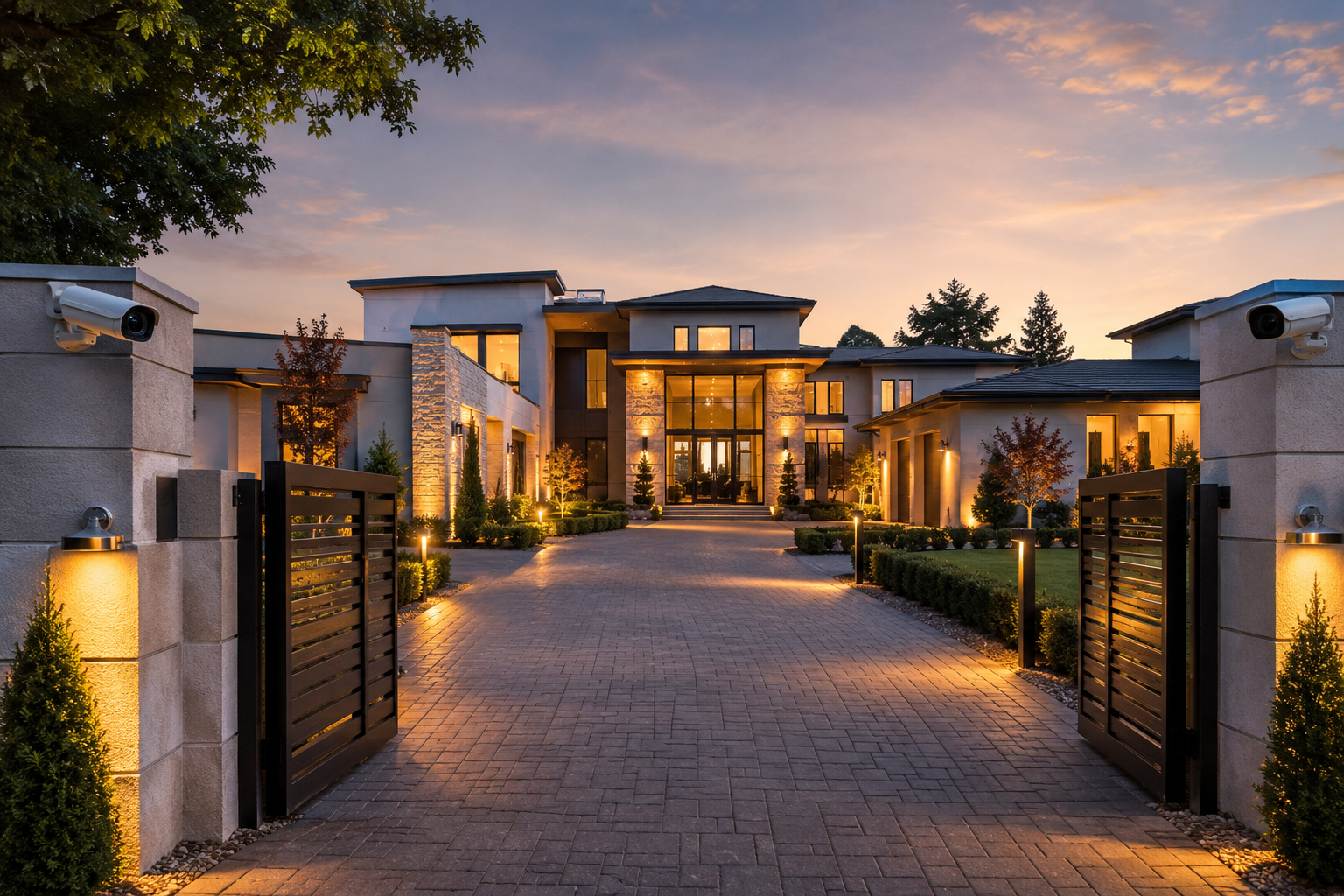
luxury property security camera installation

Luxury Properties

Luxury homes often choose IP cameras where broader perimeter coverage, better image quality, and easier expansion all matter.

compound security camera installation

Compounds

Compounds are a strong fit for IP cameras because longer runs, detached buildings, and wider site coverage benefit from a network-based system.

IP Camera Installation Los Angeles

This page should explain the camera family, recorder support, and infrastructure that make a complete IP camera install work.

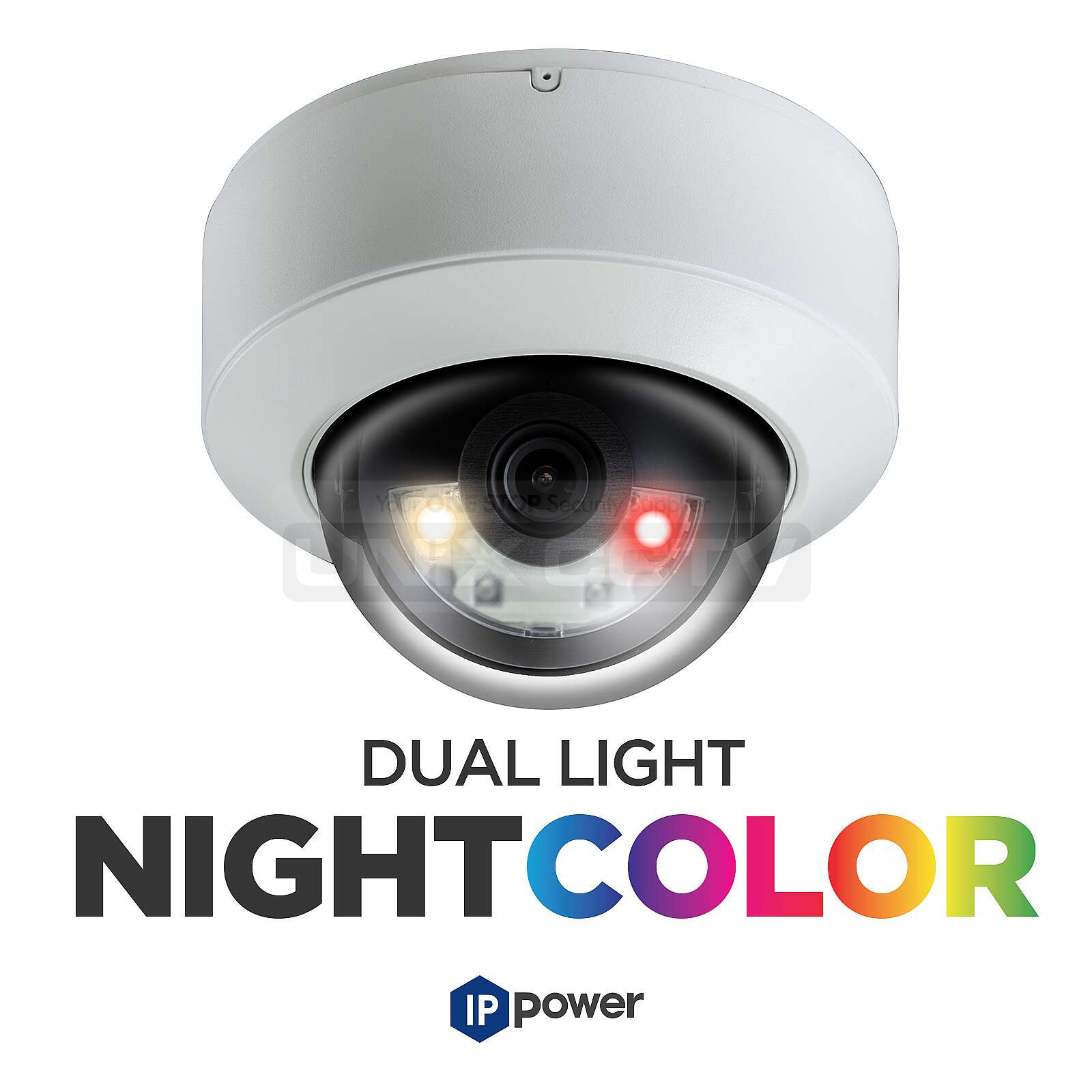
8MP dual-light dome camera with 2.8mm fixed lens

8MP Dual-Light Dome Camera, 2.8mm Fixed Lens, NDAA

Clean, versatile IP camera for entries, walkways, and public-facing spaces.

  • Compact housing
  • Low-light coverage
  • IP camera fit
8MP dual-light turret camera with VF motorized lens

8MP Dual-Light Turret Camera, VF Motorized Lens, NDAA

Flexible IP camera for outdoor walls, approaches, and shifting viewing needs.

  • Motorized zoom
  • Dual-light performance
  • Outdoor coverage
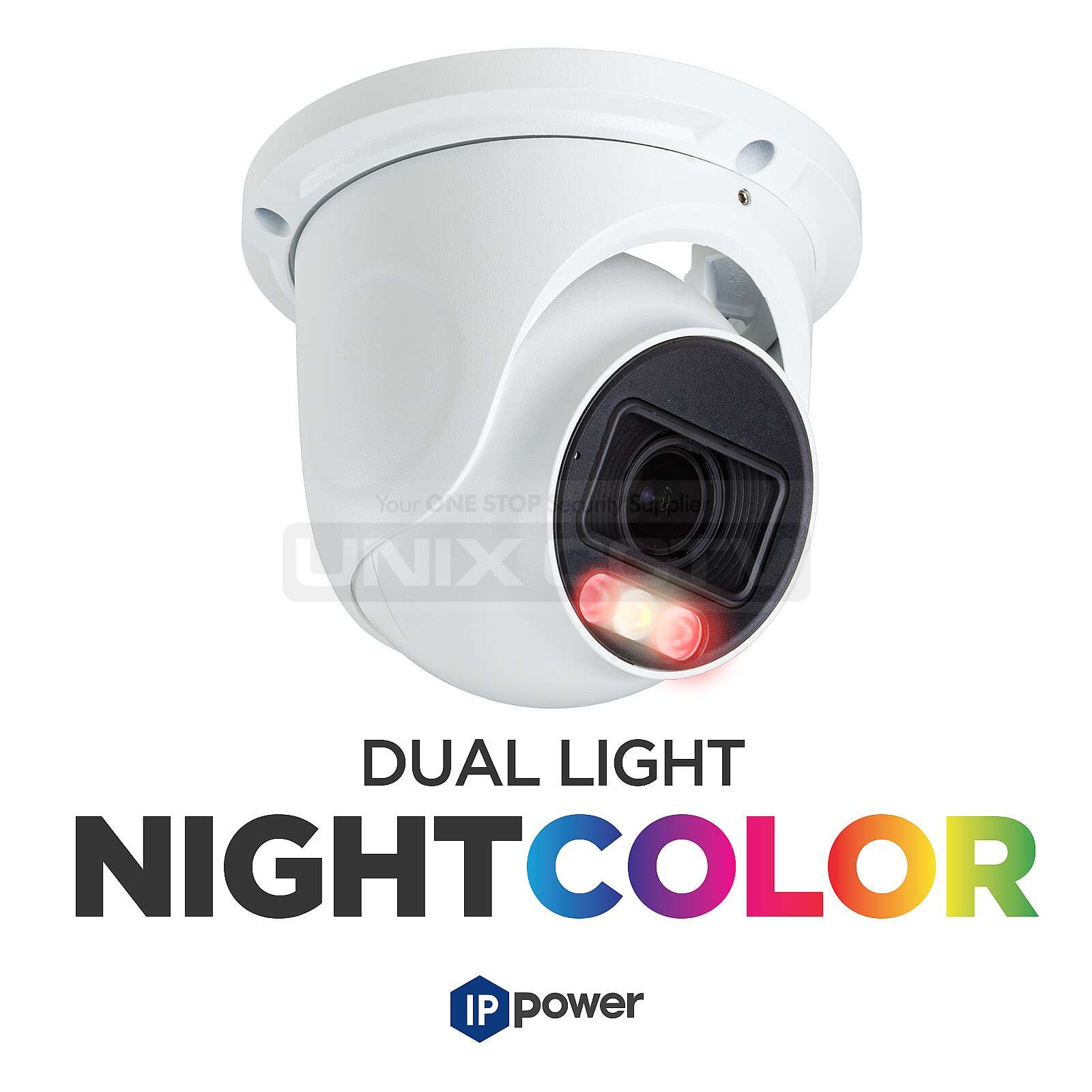
8MP dual-light night color IP turret camera with AI light and sound warning

8MP Dual-Light Night Color IP Turret, AI, Light + Sound Warning, Fixed Lens

Useful when IP camera coverage also needs active deterrence and AI alerts.

  • AI detection
  • Night color
  • Light + sound warning
16-channel NDAA-compliant smart NVR

16CH NDAA-Compliant Smart NVR

Recorder support for IP camera storage and playback.

  • Storage planning
  • Remote viewing
  • NDAA-conscious
6-port gigabit PoE switch

6-Port Gigabit PoE Switch, AI Functions

Compact power and network support for smaller IP camera installs.

  • PoE power
  • Port planning
  • Small footprint
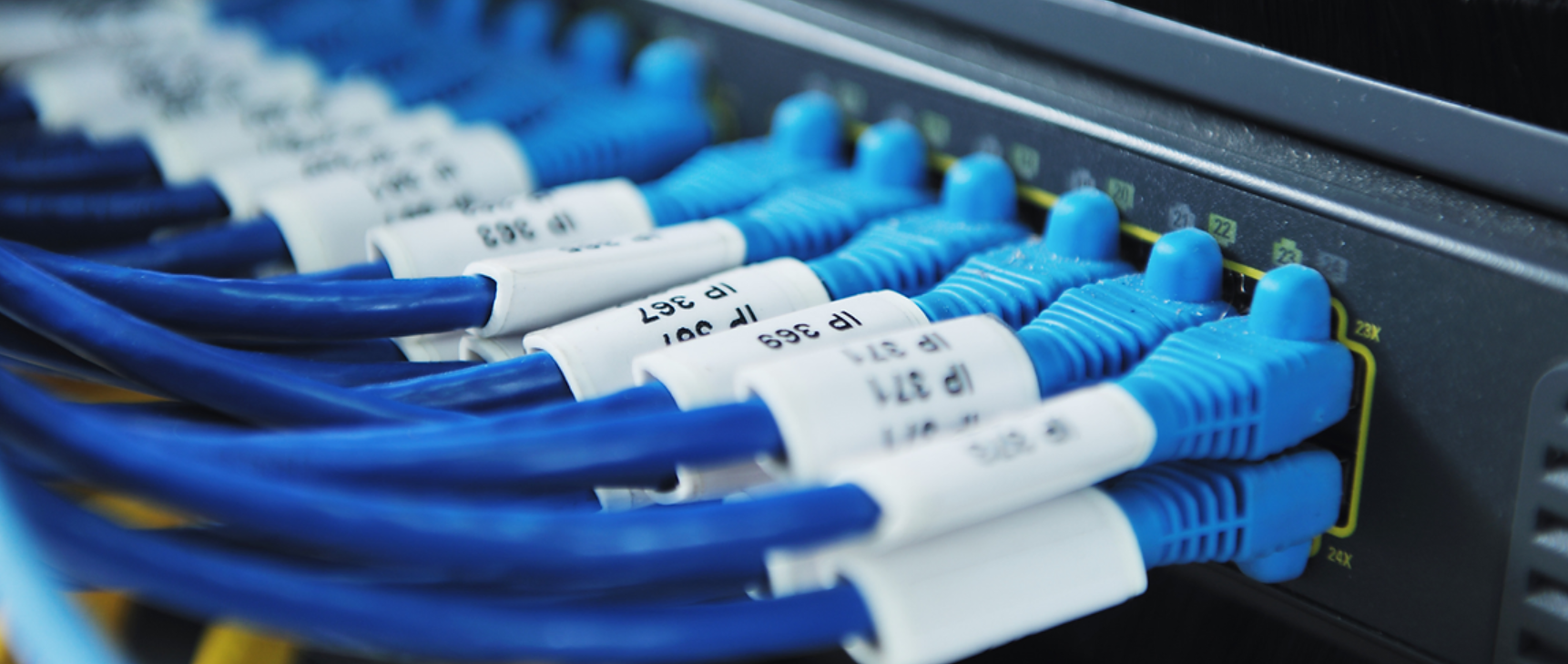
structured cabling for CCTV systems

Structured Cabling for CCTV Systems

The backbone behind most IP camera installs.

  • Cable paths
  • Power delivery
  • System reliability

System design checklist

Camera type selection

IP camera installation should start with the job each camera needs to do. A dome camera, turret camera, bullet camera, PTZ camera, LPR camera, or AI camera may all be right in different parts of the same property.

Recorder and network fit

IP cameras need the right NVR, PoE switching, network layout, and storage plan. We size the recorder and network around the number of cameras, resolution, remote viewing needs, and future expansion.

Property-specific coverage

The camera layout should follow the property: entries, driveways, gates, parking, lobbies, yards, garages, and other activity areas. A good IP camera system is designed around useful footage, not just camera count.

Request a system walkthrough and installation quote.

Frequently asked questions

Do IP cameras need internet?

IP cameras do not always need internet to record locally to an NVR, but internet is usually needed for remote viewing, app access, alerts, and off-site management. For open IP camera interface background, see ONVIF.

Can IP cameras connect to an NVR?

Yes. Most professional IP camera installations use an NVR for recording, storage, camera management, and video review.

Are IP cameras better than analog cameras?

For many modern systems, IP cameras provide stronger resolution options, cleaner expansion, and better integration with network equipment, remote access, and smart camera features.

What other equipment is used with IP cameras?

IP camera systems often include NVR storage, structured cabling, PoE switches, monitor displays, access control, and specialty cameras like PTZ or LPR cameras.

Call Us Now Request a FREE Quote