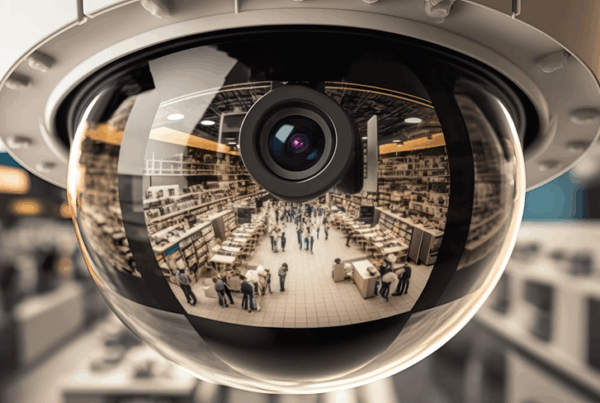
When most people think about security cameras, they picture the cameras themselves. But in a modern IP-based system, the cabling and network are just as important as the hardware.
If you are upgrading to 4K CCTV cameras, adding Wi-Fi and access point installation services, or consolidating phones and data, structured cabling in your Los Angeles building is the foundation that makes everything work.
What Is Structured Cabling?
Structured cabling is the organized, standards-based wiring infrastructure in a building. It typically includes:
- Category cabling (Cat6, Cat6A, and similar options)
- Fiber runs between telecom rooms
- Patch panels and racks
- Proper labeling and documentation
- Pathways, conduits, and cable management
Rather than running random, point-to-point cables, a structured system creates a clean, documented backbone that supports CCTV, Wi-Fi, access control, VoIP, and more.
Why Structured Cabling Matters For CCTV
High-resolution IP cameras and NVRs put real load on your network. Good structured cabling helps:
- Maintain video quality without dropped frames in IP camera installations
- Support power-over-ethernet (PoE) for cameras and smart security cameras
- Reduce signal issues and troubleshooting time
- Make it easier to add or move cameras in the future
In older buildings, it is common to find a mix of old coax, Cat5, and consumer-grade patch cables. Upgrading to a structured cabling system can fix intermittent camera problems that are actually wiring issues, not camera issues.
Preparing For Wi-Fi 7 And Future Tech
Searches for Wi-Fi 7 installation companies in Los Angeles are rising because businesses are planning for next-generation wireless. Wi-Fi 7 promises:
- Higher throughput
- Lower latency
- Better performance in dense environments such as offices, apartments, and malls
However, Wi-Fi 7 is only as strong as the cabling behind it. To prepare, you should:
- Use Cat6A for new runs where possible
- Plan proper access point locations with PoE drops via our Wi-Fi and access point services
- Install additional drops in high-density areas
- Ensure your backbone switches and fiber can handle aggregate traffic
Common Structured Cabling Mistakes In Los Angeles Buildings
Some of the most common issues we see include:
- Mixed cable types and unknown terminations
- No labeling, making every service call a guessing game
- Cables draped over ceiling tiles without proper support
- Improper bend radius and termination quality
- Undersized telecom rooms with no ventilation
These problems make CCTV and networking projects slower, more expensive, and less reliable than they need to be.
Benefits Of Upgrading Your Structured Cabling
Investing in a proper cabling infrastructure pays off in several ways:
- Faster, more reliable video surveillance systems
- Easier future upgrades and tenant improvements
- Cleaner IT closets and telecom rooms
- Better support for remote monitoring and cloud services
- Higher property value and easier leasing conversations
A well-designed structured cabling project is one of those upgrades tenants and owners rarely see, but everyone benefits from.
Planning A Structured Cabling Project In Los Angeles
A typical cabling project starts with:
- Site survey and review of existing cabling
- Design of new cable routes and telecom rooms
- Selection of cable type (Cat6 vs Cat6A, fiber, and so on)
- Installation, labeling, and testing
- Documentation and as-built drawings
If you are planning major CCTV upgrades, new Wi-Fi, or a move to VoIP, it is the perfect time to look at your structured cabling and make sure the backbone of your building is ready.
- Learn more about our structured cabling installation services
- Combine cabling with Los Angeles security systems and surveillance solutions
- Or contact us directly through our contact page